
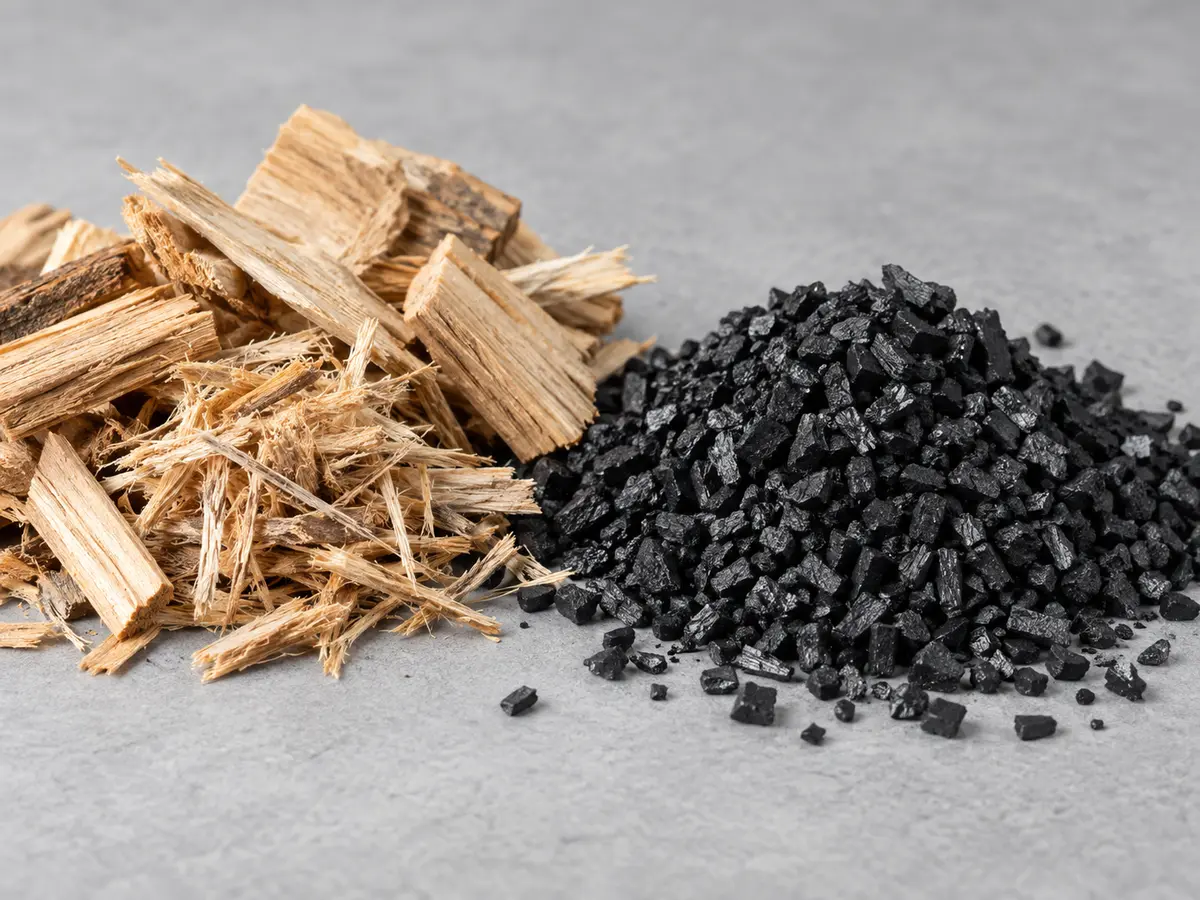
Wood-Based Activated Carbon
Powdered and pelletized wood activated carbon options for application-specific purification.
What Is Wood Activated Carbon?
Wood-derived activated carbon is often evaluated where the target compounds, processing method and required particle form favor this raw material. ARBONYX presents powder and pellet options so buyers can compare a dosing route with a packed-bed route.
Purchasing Summary
| Buying brief | For a liquid application, provide the feed and color or contaminant target. For a bed, provide flow, temperature, humidity, dimensions and allowable pressure drop. Request test reports tied to the grade proposed. |
|---|---|
| Documents and packing | Identify the test report, destination-market requirements, packing and labeling needed for your order. |
| Order details | Confirm sample quantity, bulk quantity, destination and required delivery date. |
For wood-based carbon, include the liquid being treated, color-removal target and dosing or bed arrangement. State the sample quantity and packing needed for the trial.
Wood Activated Carbon Forms
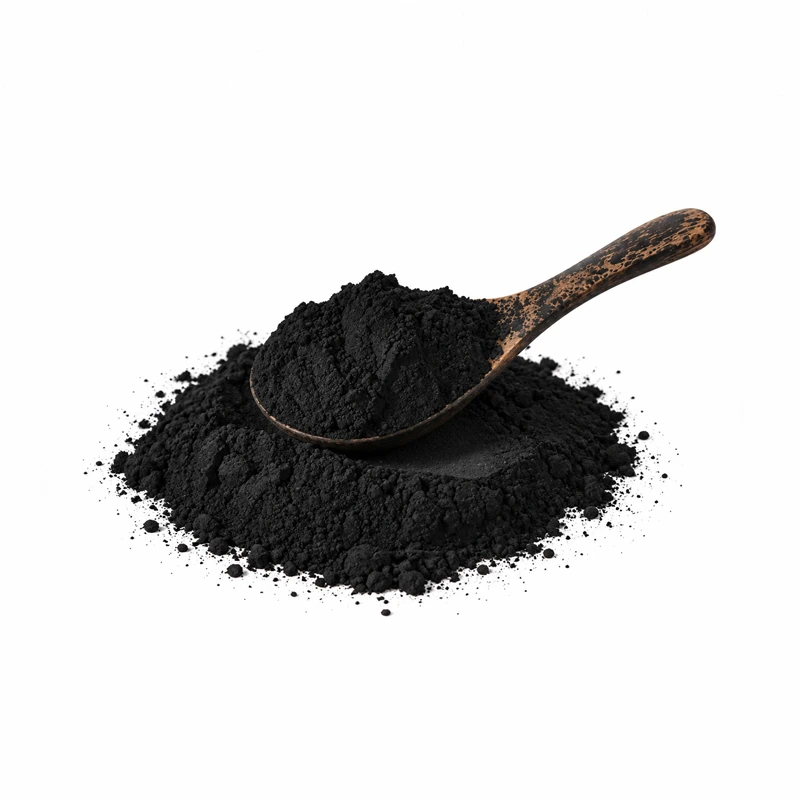
Wood Powdered Activated Carbon
A powder form for liquid purification and decolorization trials where dosing and solids removal are controlled.
Best for:
- Process-liquid decolorization
- Batch purification
- Dosing with downstream filtration
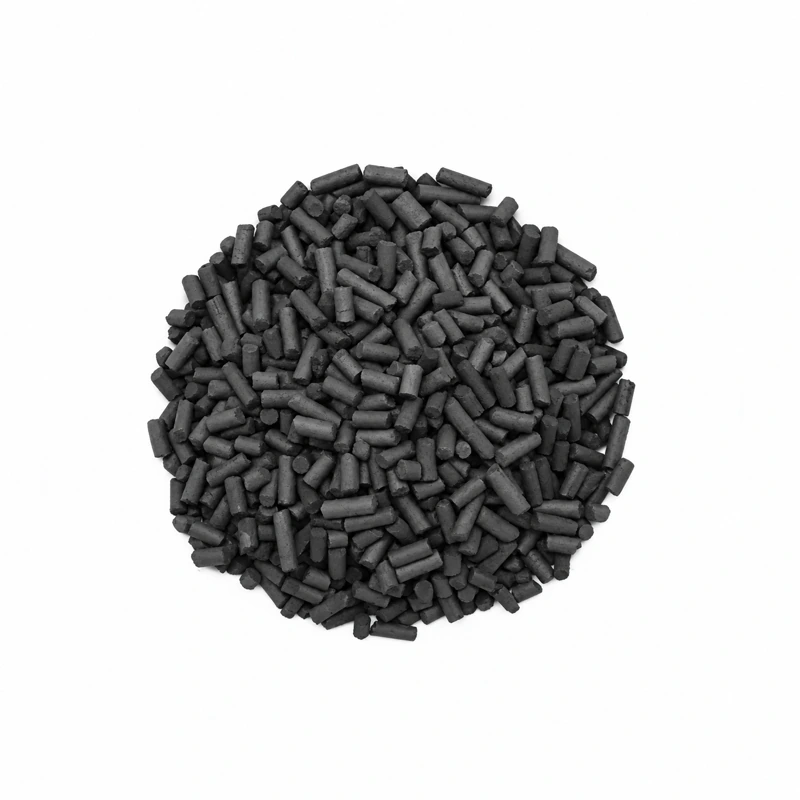
Pelletized Wood Activated Carbon
An extruded form to evaluate for packed beds where size, durability and flow need to be specified.
Best for:
- Packed gas adsorbers
- Raw-material-specific projects
- Airflow and pressure-drop trials
Powder or pellet: two different process routes
Wood-based powder can be assessed in a controlled liquid trial where mixing, contact and removal of spent carbon are available. A wood-derived pellet belongs in a packed bed and needs a review of gas flow, bed size, particle integrity and target compounds. The raw material does not replace testing of the actual grade in either process.
For your inquiry: For a liquid application, provide the feed and color or contaminant target. For a bed, provide flow, temperature, humidity, dimensions and allowable pressure drop. Request test reports tied to the grade proposed.
For a gas bed, compare the form and pressure-drop questions on our Pelletized Activated Carbon (EAC) page.
Grade Selection Checks
| Selection factor | What to review |
|---|---|
| Powder route | Confirm mixing, contact and solids-removal stages |
| Pellet route | Define gas composition, flow and bed dimensions |
| Purity requirements | Specify ash, pH and relevant impurities for the intended use |
How to Evaluate Wood Activated Carbon
Selection depends on the grade and the process. For decolorization or liquid treatment, run trials with the actual feed and confirm separation after dosing. For pellets, check the bed dimensions and gas conditions as well as mechanical handling.
Choose a Grade for Your Process
Share the medium, color or contaminant target, contact time, grade specifications and required documentation. We can review the available wood-based forms for the application.
For decolorization, compare samples at the same dose, temperature and contact time. Record filtration behavior as well as the final color.
Wood Activated Carbon Applications
Decolorization of process liquids
Wood-derived powder is often evaluated for larger color molecules in sugar solutions, ingredient liquids and chemical intermediates. Establish dose and contact time through a sample trial.
Specialist purification projects
Wood-based grades may be considered where mesopore adsorption is useful. Food or pharmaceutical use requires product-specific impurity controls and documentation; the source alone does not establish suitability.
Frequently Asked Questions
What is the main selection reason for wood carbon?
Wood-derived grades are often assessed for decolorization and adsorption of larger molecules. Confirm this with a test on your actual process liquid.
Should I choose wood powder or pellets?
Powder suits dosing with later solids separation. Pellets require a compatible bed and flow arrangement. Choose the form around the process, not the raw material alone.
How can I compare wood-carbon decolorization?
Measure treated color at equal dose, temperature and contact time. Also review product yield, pH, impurity limits and filterability.
Is wood carbon automatically pharmaceutical grade?
No. Suitability requires grade-specific quality controls, relevant impurity tests and documentation for the intended process.
What affects filtration after using wood powder?
Particle-size distribution, dose, mixing and the liquid’s solids content influence filtration. Test the planned filter or separation method with trial material.
What should I send for a wood-carbon inquiry?
Share the liquid composition, color target, temperature, contact time, separation method, purity requirements and estimated consumption.