
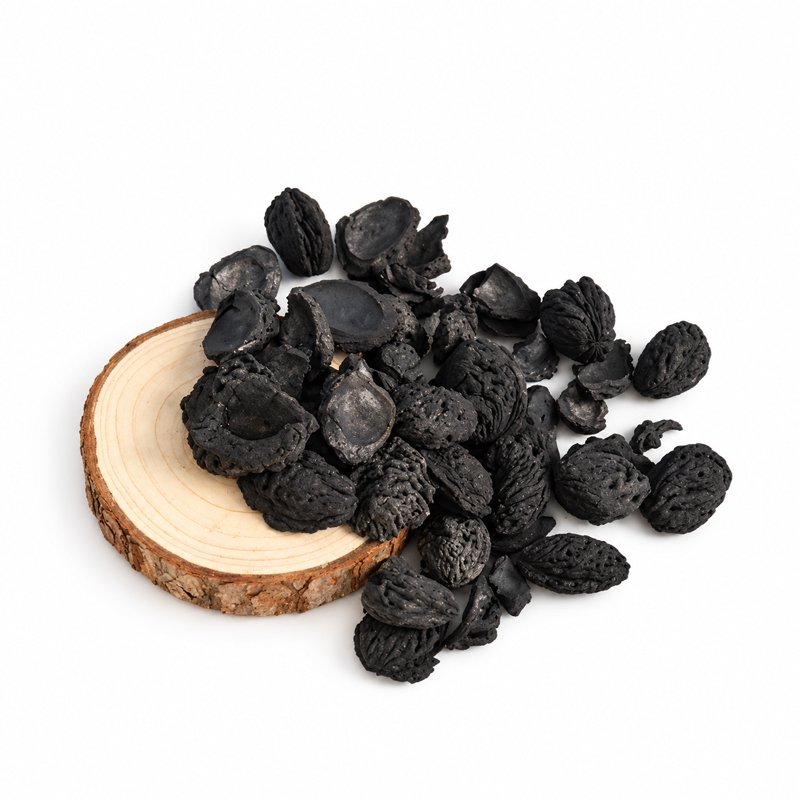
Fruit Shell Activated Carbon
Compare peach, apricot and walnut shell carbon options for your purification process.
What Is Fruit Shell Activated Carbon?
Fruit-shell activated carbon can be made from peach, apricot or walnut shells. Each feedstock and activation route creates a different product, so the relevant choice is the grade that fits the fluid, particle size and target contaminant.
Purchasing Summary
| Buying brief | If your specification calls for one shell source, include it in the inquiry along with the treatment objective, flow conditions and packaging requirement. Ask the supplier to identify the exact finished grade used for the reported data. |
|---|---|
| Documents and packing | Identify the test report, destination-market requirements, packing and labeling needed for your order. |
| Order details | Confirm sample quantity, bulk quantity, destination and required delivery date. |
For fruit-shell carbon, identify any required feedstock and specify the particle size, treatment duty and order quantity. Include the trial method when requesting a sample.
Fruit Shell Activated Carbon Types
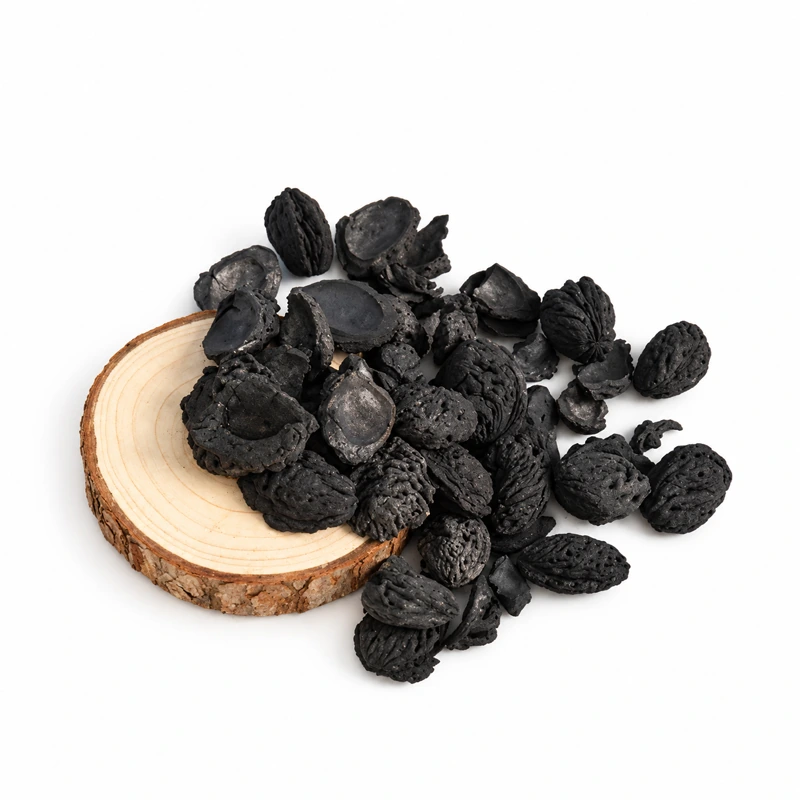
Peach Shell Activated Carbon
A peach-shell derived option for buyers evaluating granular carbon by particle size and application.
Best for:
- Peach-shell feedstock specifications
- Water-treatment media trials
- Industrial adsorption comparisons
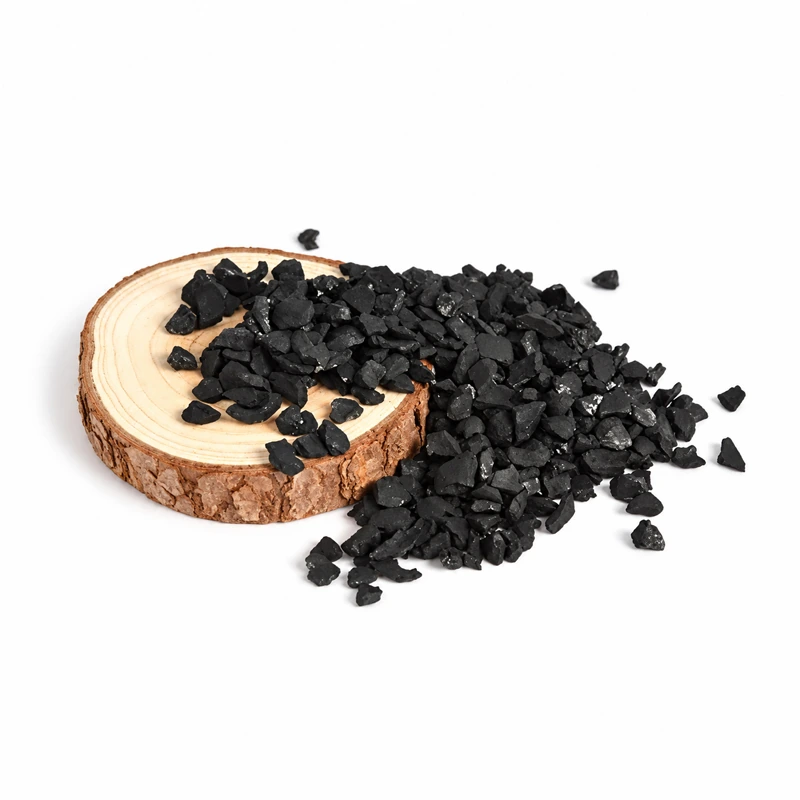
Apricot Shell Activated Carbon
An apricot-shell grade to compare for liquid or gas adsorption after reviewing its actual test data.
Best for:
- Apricot-shell procurement
- Liquid-filtration trials
- Gas-adsorption grade evaluation
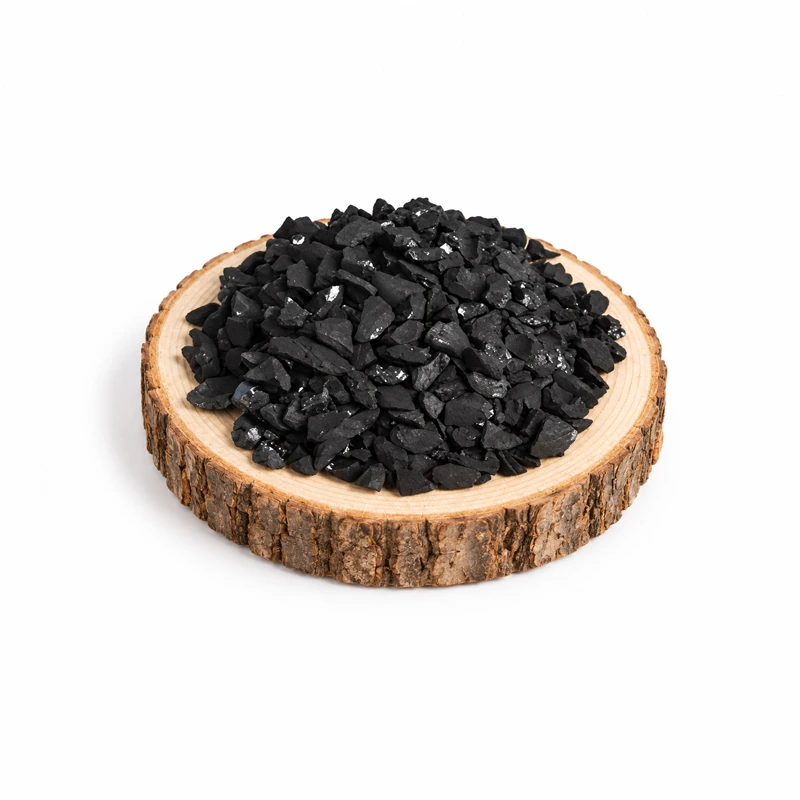
Walnut Shell Activated Carbon
A walnut-shell option for projects that specify a fruit-shell source and require a defined grade.
Best for:
- Walnut-shell supply requirements
- Raw-material comparison
- Application-specific sample trials
Peach, apricot or walnut shell: what changes?
These are three feedstocks, not three guaranteed performance levels. A buyer comparing fruit-shell carbon should first define the liquid or gas stream and the equipment, then request particle-size distribution, ash, strength and an adsorption test relevant to the target. A sample tested on the real feed is more useful than choosing by shell name or a single index.
For your inquiry: If your specification calls for one shell source, include it in the inquiry along with the treatment objective, flow conditions and packaging requirement. Ask the supplier to identify the exact finished grade used for the reported data.
For a fixed-bed specification, the Granular Activated Carbon (GAC) guide explains which equipment details to provide.
Grade Selection Checks
| Selection factor | What to review |
|---|---|
| Shell source | Identify peach, apricot or walnut where the contract requires it |
| Particle form and size | Match the media to the vessel or dosing process |
| Performance comparison | Test candidate grades on the same feed and conditions |
How to Evaluate Fruit Shell Activated Carbon
Fruit-shell grades should be compared on a like-for-like test basis. Hardness, ash and adsorption indices can differ by material and processing method; they should be reviewed against the equipment and end-use requirements, not inferred from the raw material name.
Choose a Grade for Your Process
Tell us which shell source you prefer, your filtration method, target impurity and desired particle size. We can discuss suitable options and the sample testing needed for your project.
Compare the finished grade rather than the shell name alone. Use the same adsorption test and check particle strength, ash and moisture against the purchase specification.
Fruit Shell Activated Carbon Applications
Liquid purification and ingredient processing
Peach, apricot and walnut-shell carbons can be evaluated for odor, color and organic impurities in process liquids. Compare the finished grades using the same liquid and dose.
Industrial water treatment
A fruit-shell grade may be trialled where its particle strength and adsorption profile suit the filter. Match grain size and contact time to the existing bed rather than substituting on raw-material name alone.
Frequently Asked Questions
What does fruit-shell activated carbon include?
The category includes carbon derived from sources such as peach, apricot and walnut shells. Identify the actual source and grade when comparing supply.
Are peach, apricot and walnut carbon interchangeable?
Not automatically. Activation, particle size and pore structure can differ. Compare sample performance and relevant impurity tests in your process.
Can fruit-shell carbon remove color from liquids?
Selected grades can be evaluated for decolorization. Use a representative liquid and measure color removal, product loss, filtration behavior and dose.
How should a fruit-shell grade be sampled?
Use the same feed liquid, contact time, temperature and carbon dose for each candidate. Record separation and treated-liquid results.
Can I specify a particular shell source?
Include the preferred raw material in your inquiry and request source confirmation for the offered grade. Availability and specifications should be agreed before ordering.
What is needed for a fruit-shell carbon quotation?
Provide the shell preference, physical form, target impurities, process conditions, required documents and volume. Describe any filtration or ash limitations.