
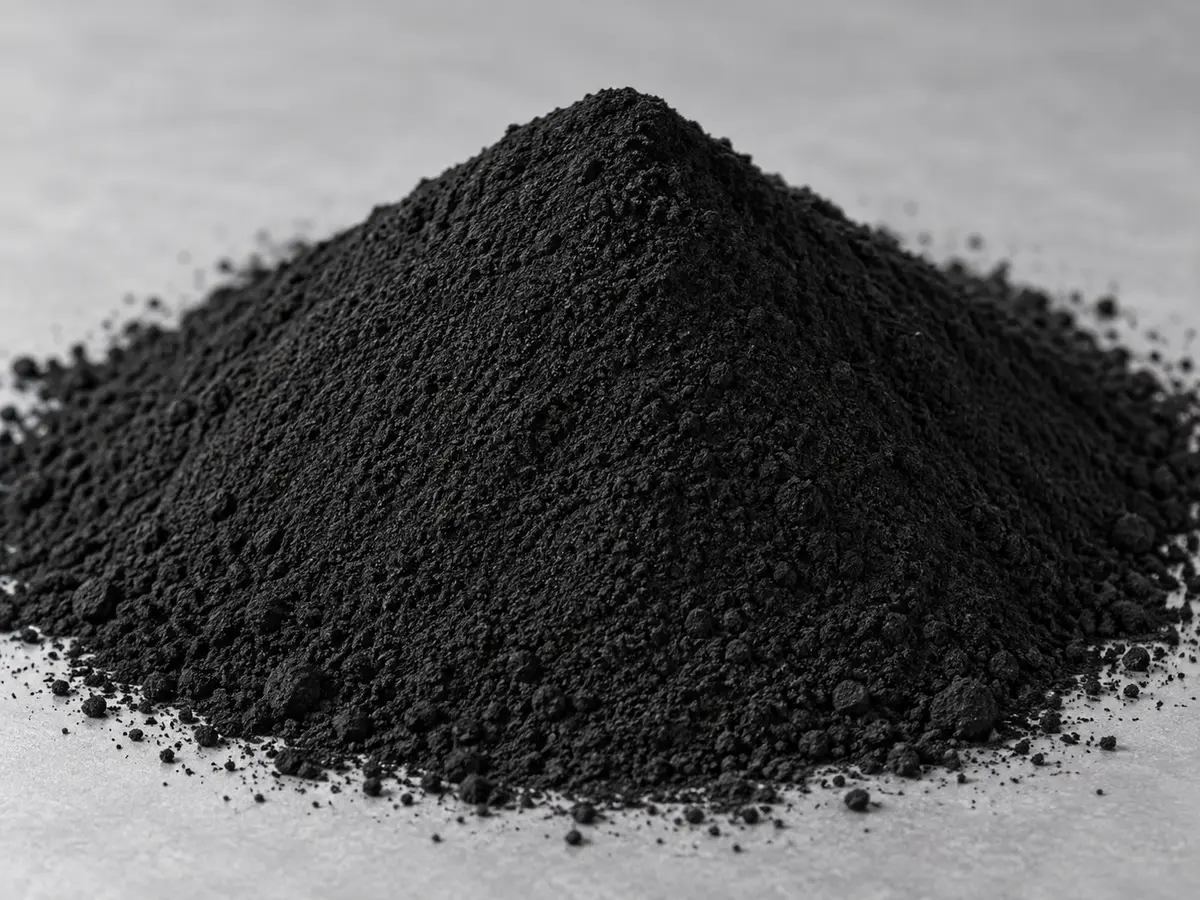
— ACTIVATED CARBON
Powdered Activated Carbon (PAC)
Wood-based, coal-based and coconut shell PAC options for rapid-contact liquid treatment and downstream separation.
— PRODUCT OVERVIEW
Powdered Activated Carbon for Dosing Processes
Powdered activated carbon consists of fine particles intended for controlled dosing into a liquid or process stream. PAC selection must account for adsorption kinetics, particle size, dispersion, contact time, dosage, downstream separation and dust handling.
The right PAC is chosen around the impurity or color target and the process, not by surface-area language alone. Pilot or application testing may be necessary where feed composition varies.
— AVAILABLE PRODUCTS
Available Powdered Activated Carbon Options
Select a product form or treatment route below. Final grade selection should be based on the application, target contaminant, process conditions and required specification.
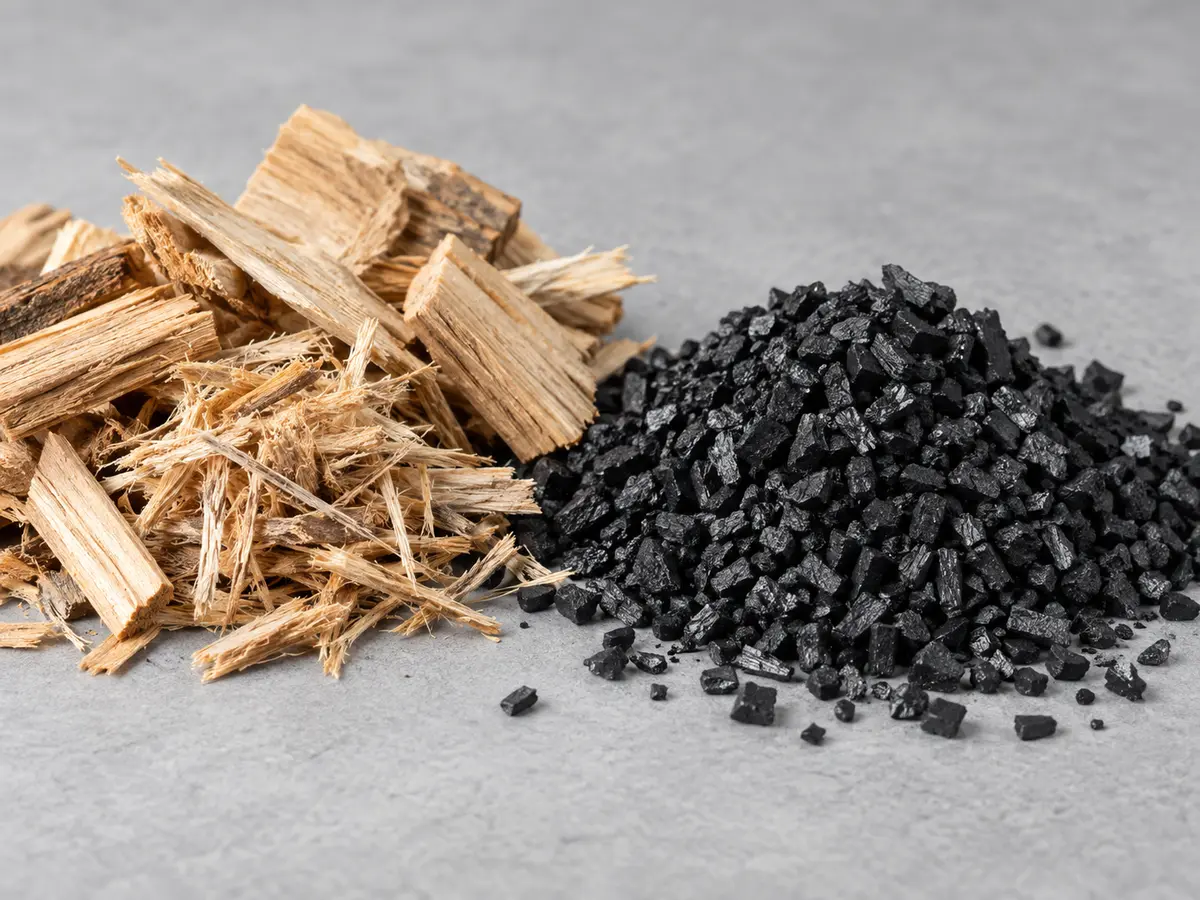
Wood-Based PAC
Often evaluated for liquid decolorization and larger organic molecules where wood-based pore characteristics may be beneficial.
Typical fit: food, beverage, chemical, pharmaceutical and industrial liquid purification after review.
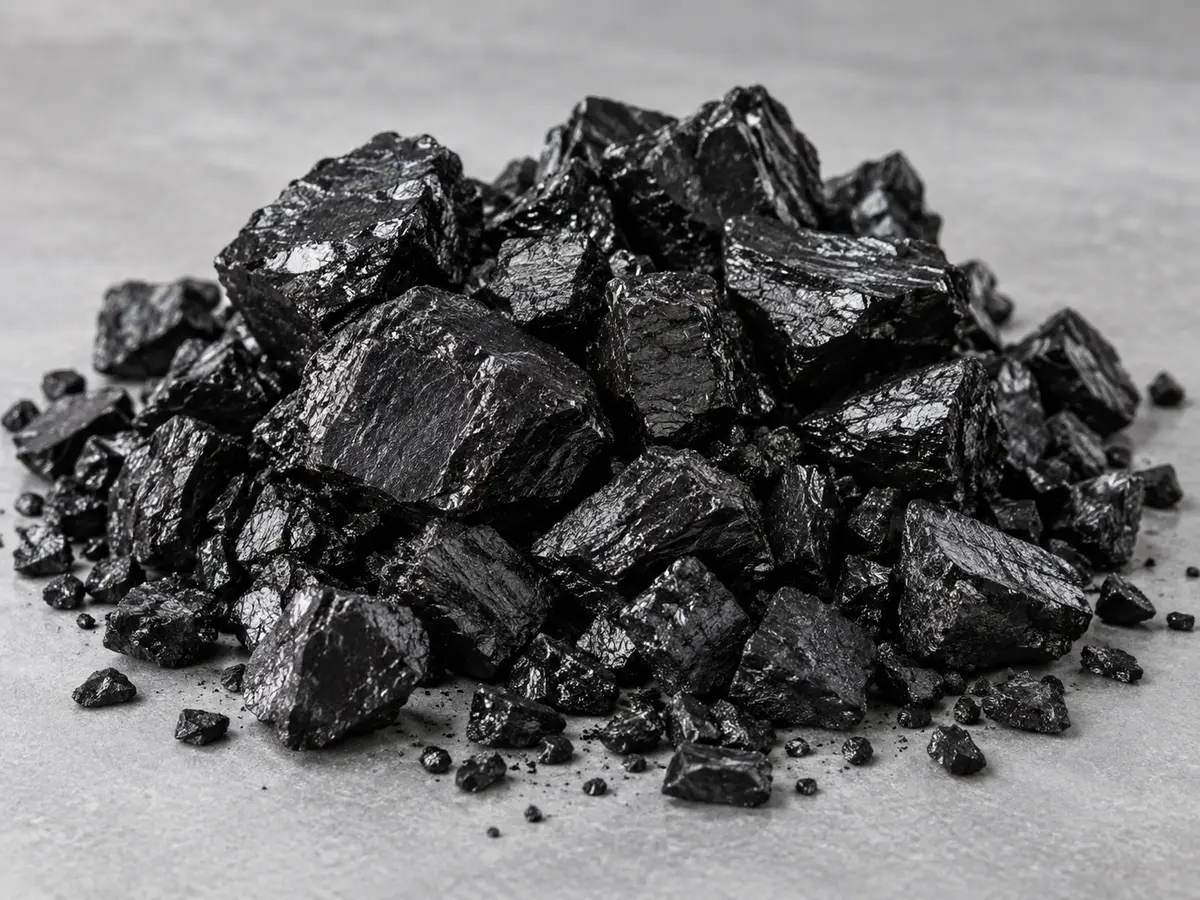
Coal-Based PAC
A broad-duty powdered option for dosing into water or industrial process streams.
Typical fit: water treatment, wastewater and selected process purification duties.
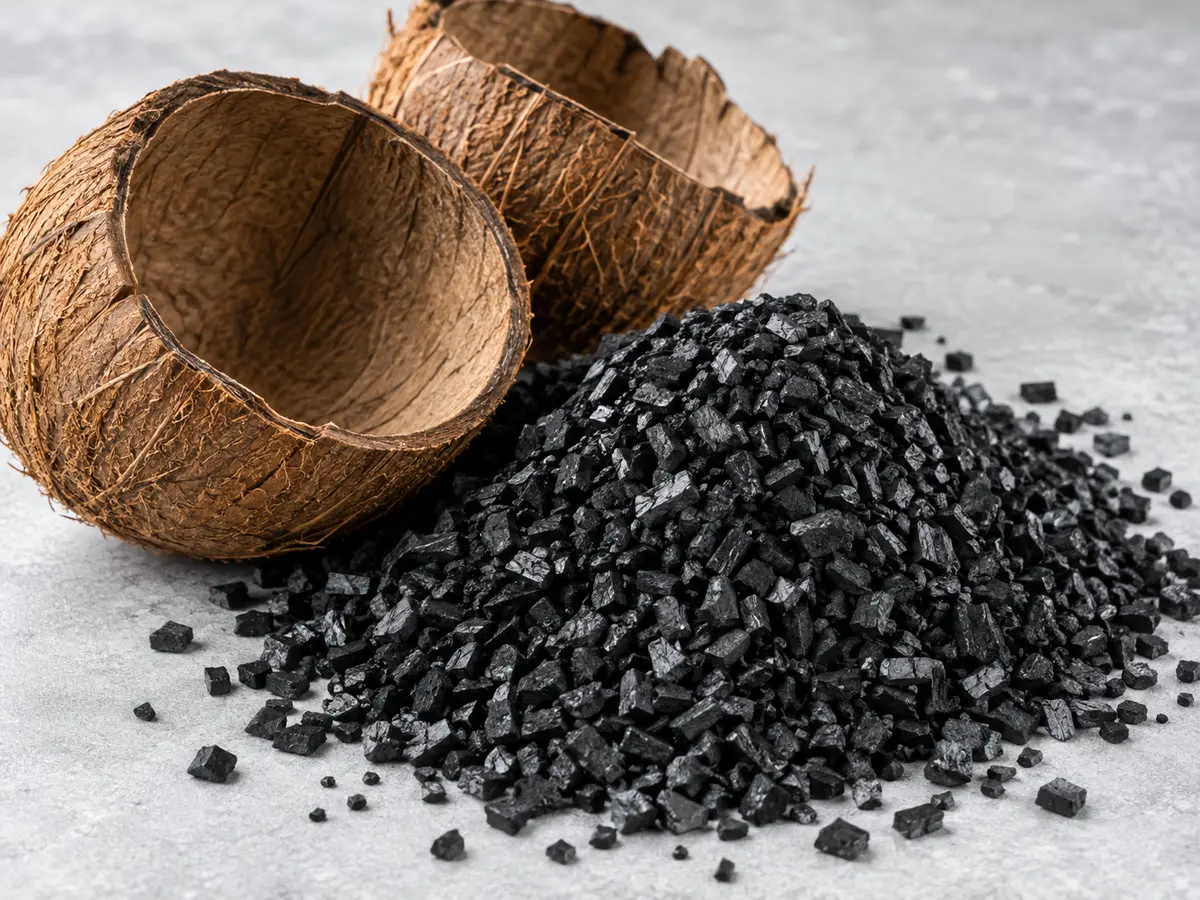
Coconut Shell PAC
A fine powdered option considered where coconut-shell pore characteristics or raw-material preference are relevant.
Typical fit: selected liquid purification duties after contaminant and process testing.
— SELECTION GUIDE
How to Select the Right Grade
Define the dosing point, contact time, target removal and solids-separation method, then compare raw material, particle-size distribution and the relevant adsorption test.
1. Application & target
Describe the liquid, contaminant or color target, pH, temperature and variability.
2. Product form
Confirm dosing, mixing, contact time, filtration or settling and dust-control conditions.
3. Performance requirement
Compare raw materials using a test relevant to the target molecule or color body.
4. Required specification
Agree particle size, moisture, ash, pH, documentation and packaging needs.
— TECHNICAL SPECIFICATIONS
Specification Framework
ARBONYX does not publish a single value as if it applied to every grade. The quotation and technical data must match the selected product, application and agreed test method.
| Parameter | Why buyers review it | How it is confirmed |
|---|---|---|
| Particle-size distribution | Affects dispersion, kinetics and filtration | Confirmed for the selected grade and test method |
| Adsorption test | Should represent the target contaminant or color body | Confirmed for the selected grade and test method |
| Moisture | Controls delivered condition | Confirmed for the selected grade and test method |
| Ash | Relevant to residue-sensitive processes | Confirmed for the selected grade and test method |
| pH | Important for process compatibility | Confirmed for the selected grade and test method |
| Bulk density | Supports handling and dosing calculations | Confirmed for the selected grade and test method |
— APPLICATIONS
Where This Product Is Considered
PAC is normally part of a dosing and solids-removal process. The application page explains the treatment objective; product selection must still follow the operating details.
Water Treatment
PAC can be dosed for episodic or process-specific contaminant control.
Food & Beverage
Selected PAC grades may be evaluated for decolorization and purification.
Pharmaceutical
Purity-sensitive processes require exact grade and documentation review.
— B2B SUPPLY
Ordering & Documentation
Packaging format, minimum order quantity, sample availability, lead time, labeling and private-label requirements are confirmed for the selected grade, quantity and destination market. Nothing is assumed before the commercial review.
For regulated or specification-sensitive uses, ask which COA, TDS, SDS, test reports or other documents are available for the exact product under discussion.
— RELATED PRODUCTS
Continue Your Product Comparison
Wood-Based Activated Carbon
Coal-Based Activated Carbon
Granular Activated Carbon (GAC)
— FAQ
Frequently Asked Questions
What does PAC mean?
PAC means powdered activated carbon, a fine form designed for dosing and later separation rather than use as a conventional fixed bed.
How is PAC different from GAC?
PAC is dosed and separated; GAC is typically retained in a bed. Their particle sizes and process designs are different.
Which raw material is best for PAC?
There is no universal answer. Match the pore characteristics and relevant adsorption test to the target impurity and process.
What affects PAC dosage?
Contaminant concentration, competing compounds, contact time, mixing, temperature, pH and removal target all affect dosage.
Does finer PAC always perform better?
Finer particles may improve kinetics but can create handling and filtration challenges. The full process must be considered.
What should I provide for a quotation?
Provide the application, target removal, preferred raw material or grade, particle requirement, estimated quantity, packaging need and destination.

Discuss Your Powdered Activated Carbon Requirements
Share your application, target, specification, quantity and delivery requirements for a focused reply.