
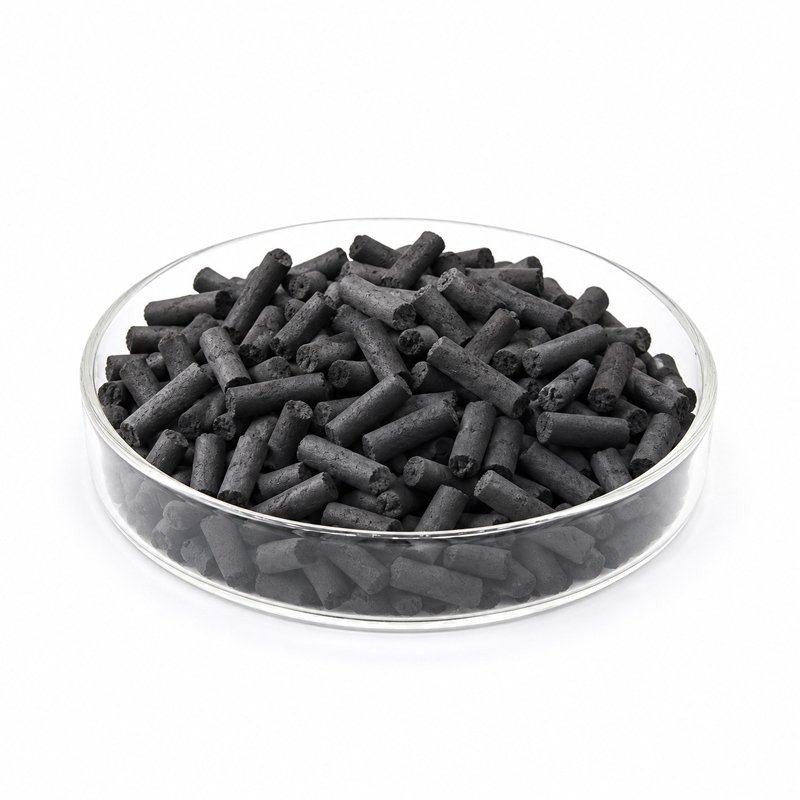
Charbon actif catalytique
Compare pelletized catalytic and coconut shell granular catalytic options for your purification process.
What Is Catalytic Activated Carbon?
Catalytic activated carbon combines adsorption with surface activity suited to a particular reaction or treatment target. The word catalytic describes a function, not one universal formulation, so selection needs a defined contaminant and test method.
Récapitulatif des achats
| Cahier des charges d'achat | Request the active formulation, test method, operating window and safe handling information for the candidate grade. If your process has limits on additives or byproducts, include them at the start. |
|---|---|
| Documents et emballage | Veuillez identifier le rapport d'essai, les exigences du marché de destination, ainsi que les conditions d'emballage et d'étiquetage requises pour votre commande. |
| Détails de la commande | Veuillez confirmer la quantité d'échantillons, la quantité totale, la destination et la date de livraison souhaitée. |
For catalytic carbon, identify the target compound, water or gas chemistry, flow and bed arrangement. Include the present media and outlet target in the inquiry.
Catalytic Activated Carbon Types
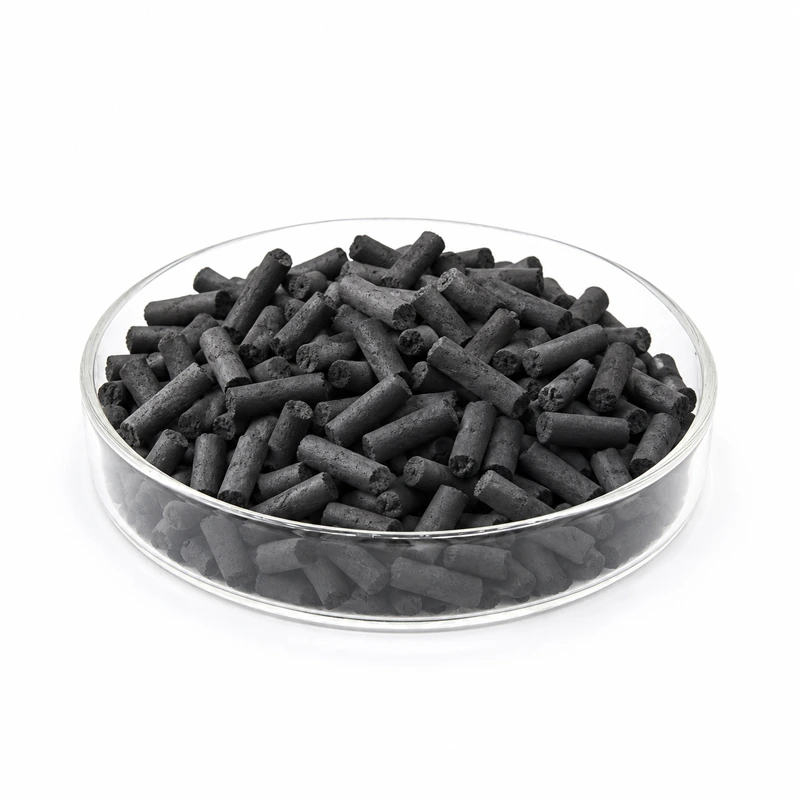
Pelletized Catalytic Activated Carbon
A cylindrical catalytic grade for packed gas-treatment systems where airflow and contact time matter.
Idéal pour :
- Packed gas treatment
- Defined catalytic conversion duties
- Airflow and reaction testing
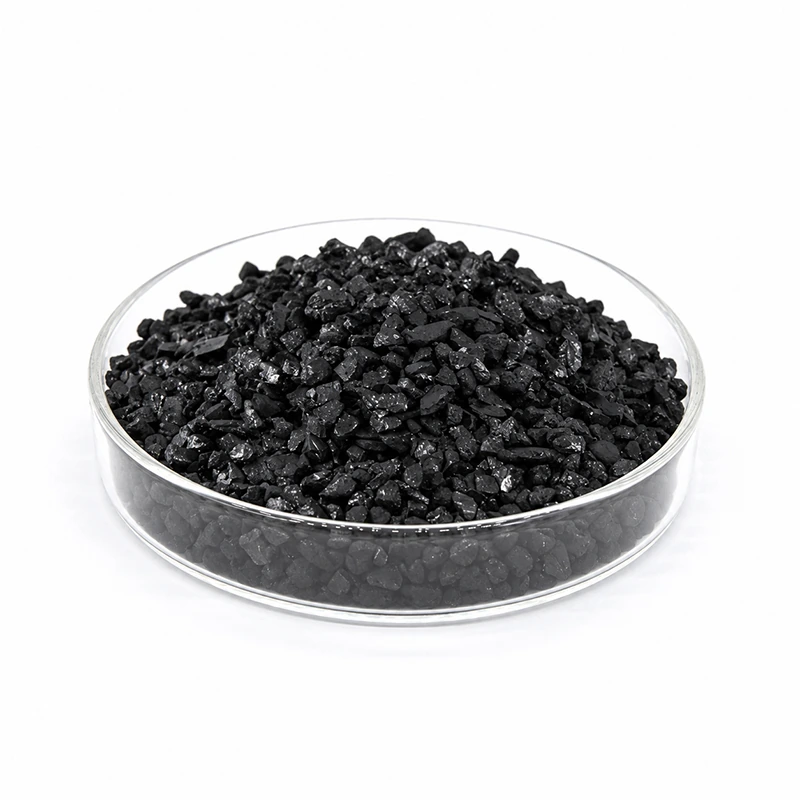
Coconut Shell Granular Catalytic Activated Carbon
A granular coconut-shell carrier to evaluate for the specified catalytic duty.
Idéal pour :
- Granular catalytic media
- Application-specific liquid or gas trials
- Coconut-shell carrier specifications
Define the reaction before choosing the carrier
Catalytic carbon is not a single interchangeable material. A pelletized carrier and a coconut-shell granular carrier may behave differently in a particular gas or liquid system. Identify the target compound and reaction mechanism, then compare the grade under the same residence time, humidity and inlet composition. A standard adsorption index does not establish catalytic conversion.
En réponse à votre demande : Request the active formulation, test method, operating window and safe handling information for the candidate grade. If your process has limits on additives or byproducts, include them at the start.
For a chemically treated carrier, the Charbon actif imprégné page sets out a different selection brief.
Contrôles de sélection des classes
| Facteur de sélection | Ce qu'il faut réviser |
|---|---|
| Target reaction | Name the compound and intended conversion |
| Conditions d'utilisation | Compare residence time, inlet composition and humidity |
| Evidence | Request catalytic test methods and results for the offered grade |
How to Evaluate Catalytic Activated Carbon
A project may require a pellet or coconut-shell granular carrier. We compare form, residence time and the required reaction with grade-specific evidence instead of assuming that a standard carbon will behave the same way.
Choisissez un niveau pour votre processus
Share the target compound, gas or liquid composition, flow, temperature, humidity and the performance test you use. We can then discuss candidate grades and samples.
Use a performance test suited to the catalytic duty. Adsorption indices alone do not establish reaction performance under the operating conditions.
Catalytic Activated Carbon Applications
Chloramine treatment evaluation
Selected catalytic granular grades are considered in water systems targeting chloramine reduction. Validate the actual feed, residual target and contact time using the proposed grade.
Reactive gas treatment
Catalytic pellets may be evaluated for specified gas reactions, including selected sulfur compounds. Moisture, oxygen, temperature and loading conditions affect performance and must be defined.
Foire aux questions
How does catalytic carbon differ from standard carbon?
Its surface is prepared for particular reaction-assisted treatment tasks. The term does not mean one grade works for every liquid or gas.
Can catalytic carbon reduce chloramine?
Selected grades can be evaluated for chloramine treatment. Confirm contact time, feed chemistry and tested performance rather than relying on the name alone.
Which catalytic form should I specify?
Granules fit compatible water or loose-media beds; pellets fit designed gas beds. Match form and chemistry to the equipment and treatment target.
Can catalytic carbon treat H₂S?
Some grades are evaluated for this duty under defined conditions. Specify moisture, oxygen, concentration and loading; confirm the supplier’s relevant test basis.
What controls catalytic-carbon service life?
Reaction capacity, contaminant loading, flow and operating chemistry determine performance. Use target-specific outlet monitoring and replacement criteria.
What information supports catalytic-grade selection?
Provide the target compound, feed chemistry, flow, contact time, temperature, moisture and required residual limit. Request grade-specific test data.