
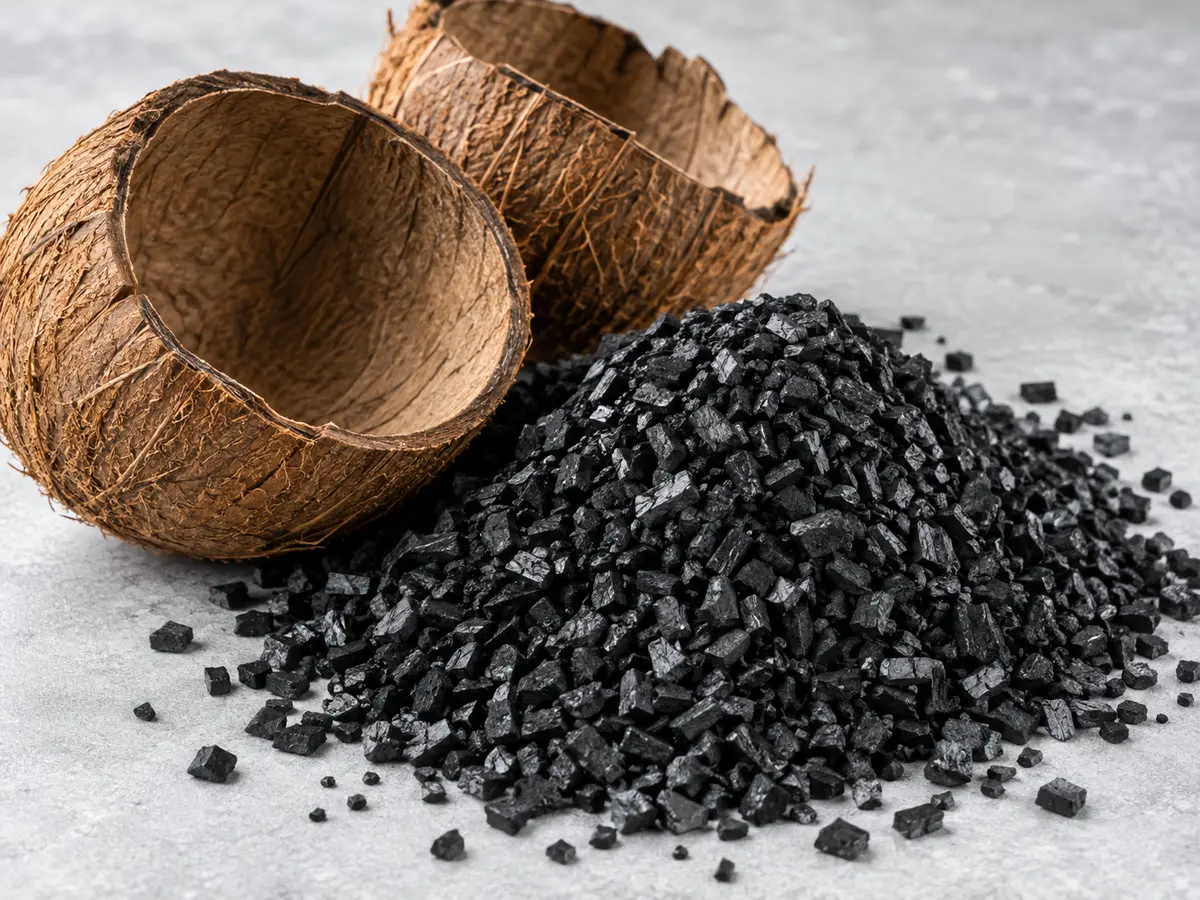
— ACTIVATED CARBON
Coconut Shell Activated Carbon
Coconut-shell-based activated carbon supplied in granular, powdered, extruded and acid-washed options for application-specific evaluation.
— PRODUCT OVERVIEW
Coconut Shell Activated Carbon for Precise Adsorption
Coconut shell activated carbon is selected when buyers need a hard carbon with a predominantly fine pore structure. The appropriate grade depends on the target compound, liquid or gas conditions, contact time, pressure drop and required purity.
Specify the process first—not only an iodine number. ARBONYX reviews the required form, particle size, wash treatment and documentation before proposing a grade.
— AVAILABLE PRODUCTS
Available Coconut Shell Activated Carbon Products
Select a product form or treatment route below. Final grade selection should be based on the application, target contaminant, process conditions and required specification.
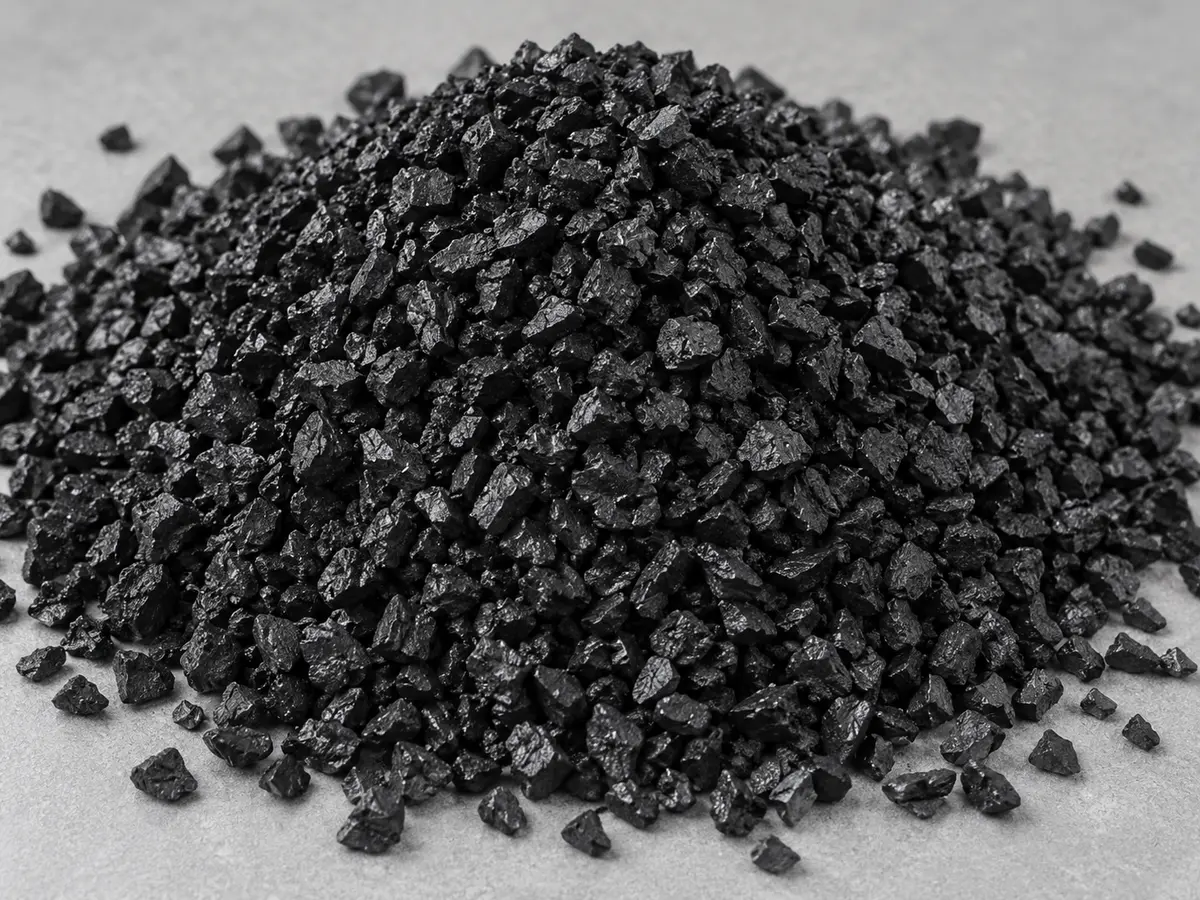
Coconut Shell Granular Activated Carbon
Granular material for fixed-bed or replaceable media systems where flow behavior, contact time and mechanical durability must be balanced.
Typical fit: water treatment, process purification and selected recovery duties after grade review.
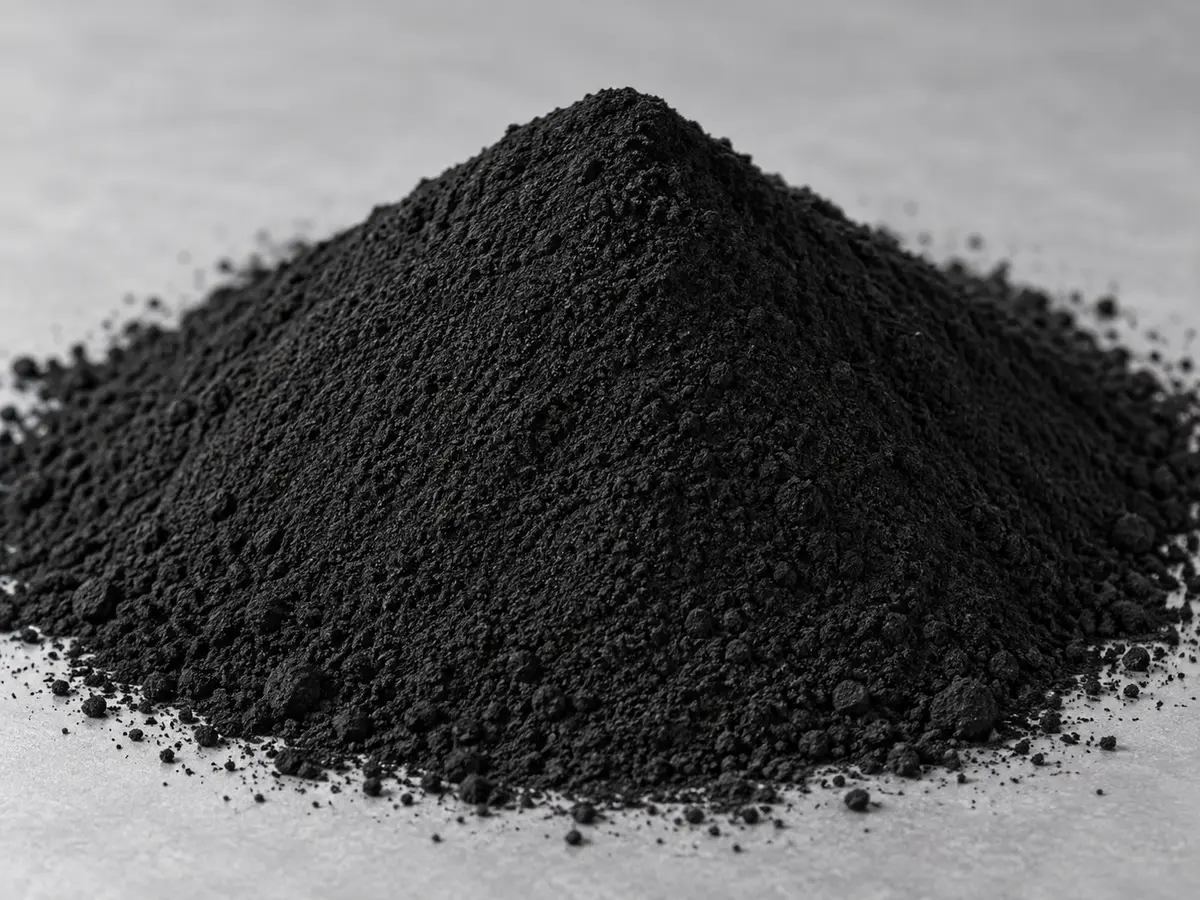
Coconut Shell Powdered Activated Carbon
Fine powdered material intended for dosing, mixing and subsequent separation in batch or continuous processes.
Typical fit: rapid-contact liquid purification where powder handling and separation are designed into the process.
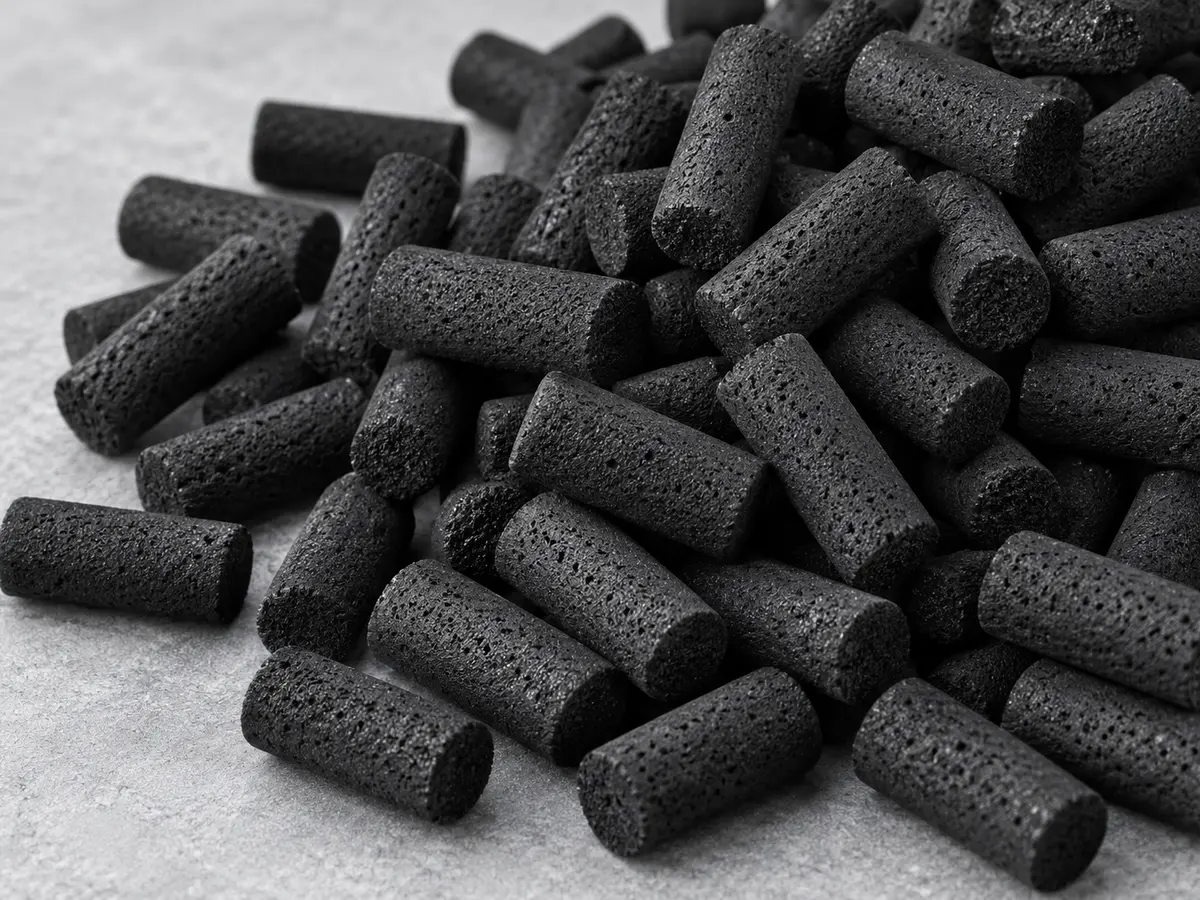
Coconut Shell Extruded Activated Carbon
Cylindrical product form considered where bed geometry, pressure drop and gas-phase handling are important.
Typical fit: selected air, gas and odor-control systems after duty and diameter review.
Acid-Washed Coconut Shell Activated Carbon
A treated option for buyers who need tighter control of mineral residues or extractables. The required wash level and test basis must be agreed.
Typical fit: purification processes with defined ash, pH, leachable or purity requirements.
— SELECTION GUIDE
How to Select the Right Grade
Start with the operating system and contaminant. Then compare form, particle size, pore structure, purity requirements and the test method used for each specification.
1. Application & target
Define the fluid, target compound, inlet concentration and treatment objective.
2. Product form
Choose granular for beds, powder for batch dosing, or extruded form for suitable gas-phase systems.
3. Performance requirement
Review adsorption, hardness, ash and purity requirements in the context of the process.
4. Required specification
State required test methods, particle size, documentation and destination-market conditions.
— TECHNICAL SPECIFICATIONS
Specification Framework
ARBONYX does not publish a single value as if it applied to every grade. The quotation and technical data must match the selected product, application and agreed test method.
| Parameter | Why buyers review it | How it is confirmed |
|---|---|---|
| Iodine number | Indicator commonly reviewed for micropore-related adsorption | Confirmed for the selected grade and test method |
| Particle size / mesh | Affects flow, contact, handling and separation | Confirmed for the selected grade and test method |
| Moisture | Relevant to delivered condition and net usable material | Confirmed for the selected grade and test method |
| Ash | Reviewed where mineral residue matters | Confirmed for the selected grade and test method |
| Hardness | Important for granular or extruded handling | Confirmed for the selected grade and test method |
| pH / water-soluble ash | Considered for purity-sensitive applications | Confirmed for the selected grade and test method |
— APPLICATIONS
Where This Product Is Considered
Coconut shell grades are evaluated across several applications, but the right choice depends on actual process conditions and required documentation.
Water Treatment
Granular or powdered options considered for drinking, process or wastewater duties.
Air Purification
Selected forms may be used in air and gas treatment systems.
Precious Metal Recovery
High-hardness granular grades may be evaluated for recovery circuits.
— B2B SUPPLY
Ordering & Documentation
Packaging format, minimum order quantity, sample availability, lead time, labeling and private-label requirements are confirmed for the selected grade, quantity and destination market. Nothing is assumed before the commercial review.
For regulated or specification-sensitive uses, ask which COA, TDS, SDS, test reports or other documents are available for the exact product under discussion.
— RELATED PRODUCTS
Continue Your Product Comparison
Granular Activated Carbon (GAC)
Powdered Activated Carbon (PAC)
Extruded Activated Carbon (EAC)
— FAQ
Frequently Asked Questions
Is coconut shell activated carbon always the best choice?
No. It is one raw-material option. The target compound, pore-size requirement, operating system and commercial constraints determine the suitable grade.
What information is needed for grade selection?
Share the application, target contaminant, flow or batch conditions, required form, particle size, performance specification and destination country.
Can I choose only by iodine number?
Iodine number is useful but does not describe every adsorption duty. Particle size, ash, hardness, pore distribution and process conditions may also matter.
What is the difference between granular and powdered coconut carbon?
Granular carbon is generally used in beds or media systems; powdered carbon is dosed and later separated. The process design determines the appropriate form.
When should acid-washed material be discussed?
Discuss it when mineral residues, extractables, pH or process purity have defined limits.
Which documents can be supplied?
Document availability is confirmed for the selected grade. Ask for the applicable COA, TDS, SDS or test report during inquiry.

Discuss Your Coconut Shell Activated Carbon Requirements
Share your application, target, specification, quantity and delivery requirements for a focused reply.