

Custom Solutions
Define the application, product constraints and acceptance criteria before selecting a solution.
Application Brief
Material & Process
Evaluation Criteria
Start with the Requirement, Not a Generic Product
A custom solution begins with a clear description of what the product must do. For activated carbon, that means the treatment objective and operating conditions. For sustainable packaging, it means the item to be packed, the use environment and the protection or barrier requirements.
ARBONYX uses your brief to discuss relevant product families and the next information needed for evaluation. A proposed alternative, sample or drawing should be assessed against agreed requirements before any performance or suitability conclusion is made.

Activated Carbon: Define the Treatment Duty
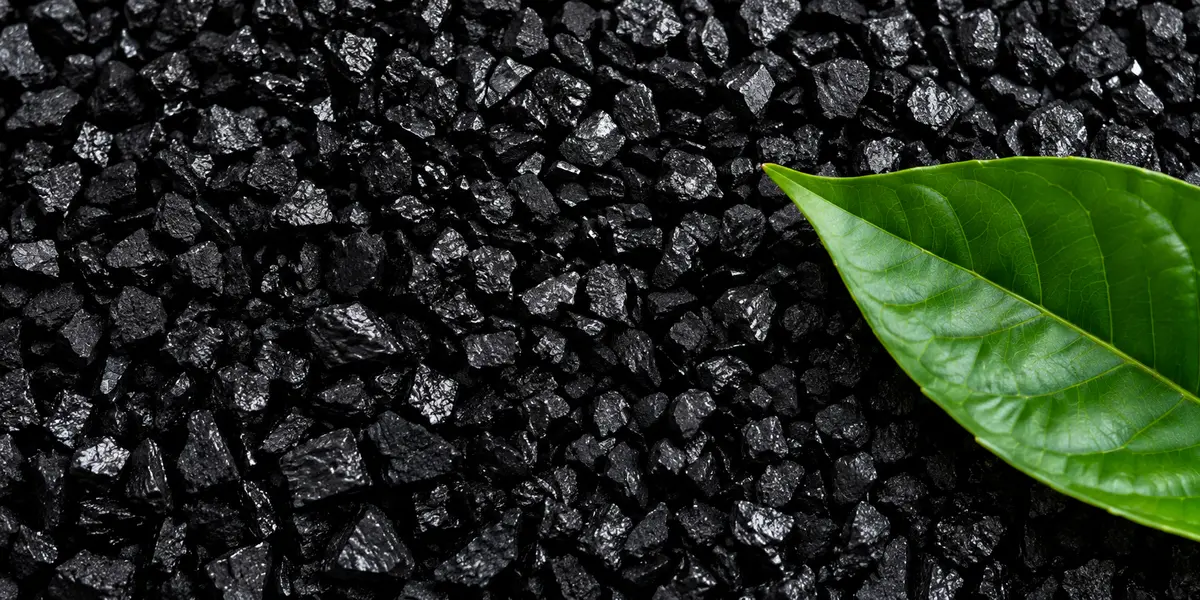
Describe the liquid or gas stream, target substances, inlet conditions and required treatment outcome. Include the contact method or existing equipment, approximate flow, temperature, pH where relevant, and any process limitations.
State the preferred carbon form and particle size, any reference grade, and the performance or quality specifications your process requires. The right comparison depends on the application and evaluation method, not on one headline value alone.
Explore the Activated Carbon product families and the corresponding application solution pages to frame your inquiry. A sample evaluation or process trial, where appropriate, should use agreed conditions and acceptance criteria.
Sustainable Packaging: Define the Product and Use
Begin with the product being packed, its size or capacity and how it will be handled. Clarify whether the package is for foodservice, retail display, e-commerce transport or protective industrial use.
Provide a drawing or reference dimensions, material preference, load and stacking needs, lid or closure requirements, and any exposure to heat, cold, moisture or grease. Include printing, branding, packing counts and destination-market requirements.
For protective molded pulp or corrugated packaging, describe the packed item, weight, vulnerable areas and distribution environment. For tableware or takeaway formats, focus on food type, service conditions and compatibility. Review the Sustainable Packaging families for relevant starting formats.

A Practical Evaluation Sequence
1. Requirements review
Gather the application brief, specification or drawing, quantity estimate and destination. Record which points are confirmed and which still need review.
2. Option comparison
Compare the relevant grade, material or format. Identify possible tradeoffs in dimensions, handling, process compatibility or customization.
3. Sample or proof review
Where appropriate, agree the scope of sampling, testing, artwork or tooling. Confirm availability, cost and acceptance criteria before proceeding.
4. Written confirmation
Document the approved product specification, artwork or drawing revision, packing, order terms and required product documents.
What to Send with a Custom Inquiry
Attach the existing specification, drawing or reference images where available. Include the application or packed product, required result, critical dimensions or performance criteria, estimated quantity and destination country. Tell us which requirements are mandatory and which are open to discussion.
If the specification is already settled and only order volume, packing or branding needs review, use Bulk & OEM Supply. For a continuing range across a market, explore Distributor Partnership.
Custom Solution Questions
Can you match an existing activated carbon grade?
Share the reference grade and the properties that matter in your process. Similar published specifications do not by themselves prove equivalent performance; the application and evaluation method must be reviewed.
Can you develop a packaging shape from a drawing?
Submit the drawing, dimensions, material preference, intended use and quantity. Feasibility, tooling, sample arrangements and costs require review before a custom shape can be confirmed.
Can you guarantee a removal rate or packaging performance?
Performance depends on the product and use conditions. Any required result must be defined, evaluated and specifically agreed; generic guarantees are not a substitute for application testing.
Can you confirm compliance for my destination market?
Identify the destination and the exact standards or document requirements. Available evidence must match the specific product and intended use; compliance should not be inferred from a material name or a general company statement.
Useful Starting Points

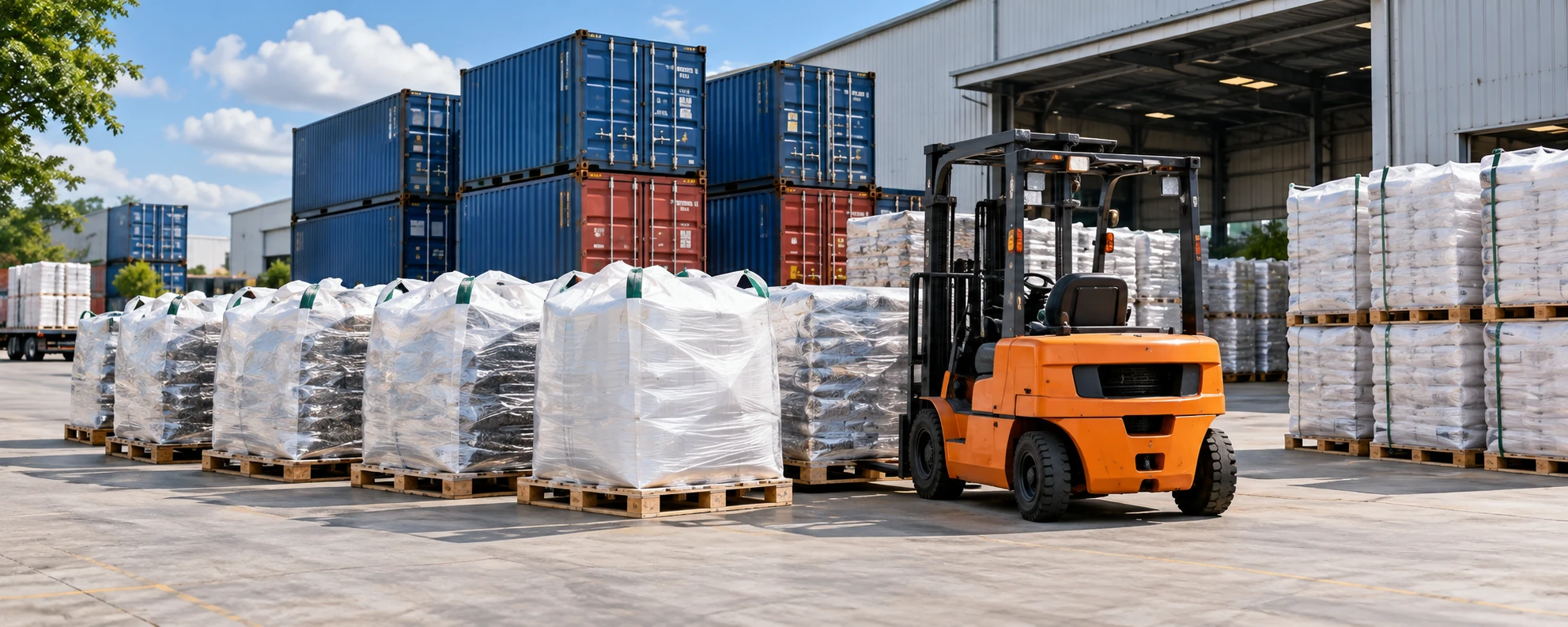
Laboratory, people and production imagery is illustrative and does not establish an in-house laboratory, a completed customer project or a validated performance result.

Tell Us What Your Product Needs to Do
Send your application brief, specification or drawing and the key requirements.