
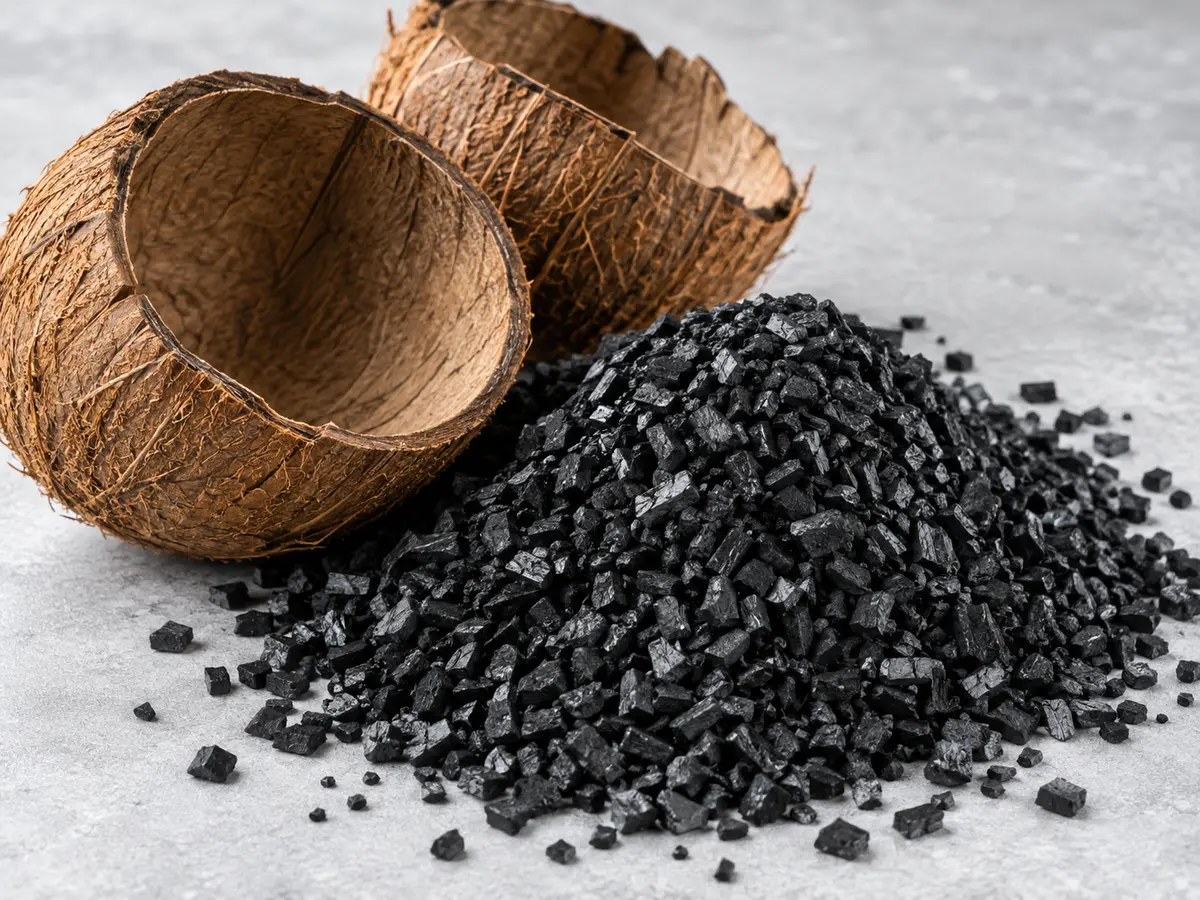
Coconut Shell Activated Carbon
Coconut-shell-based activated carbon supplied in granular, powdered, extruded and acid-washed options for application-specific evaluation.
Available Coconut Shell Activated Carbon Products
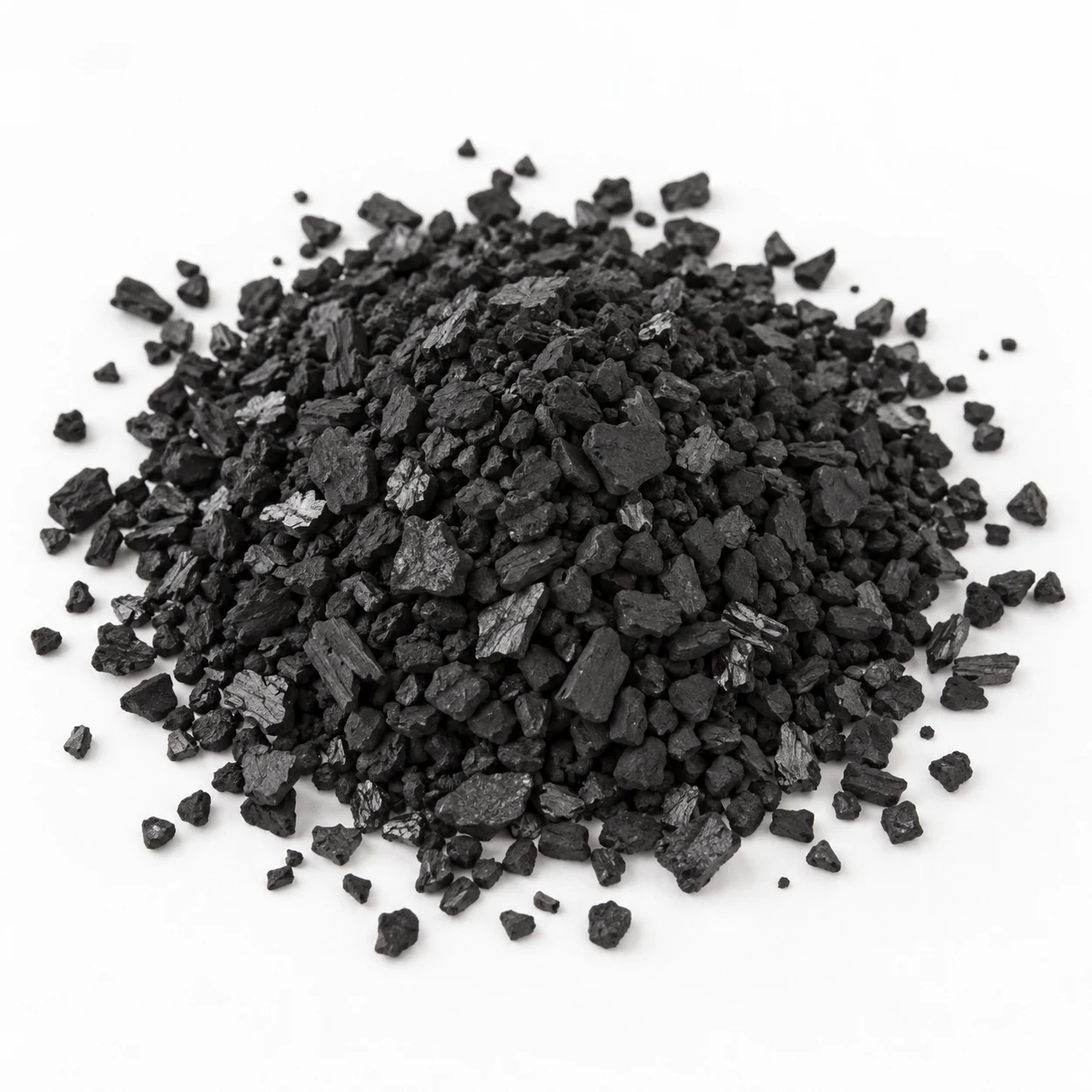
Coconut Shell Granular Activated Carbon (GAC)
View details
A granular option for fixed-bed water and liquid filtration, with grade selection guided by mesh, durability and contaminant profile.
Best for:
- Fixed-bed water treatment
- Process-liquid filtration
- Grade-specific gold-recovery trials
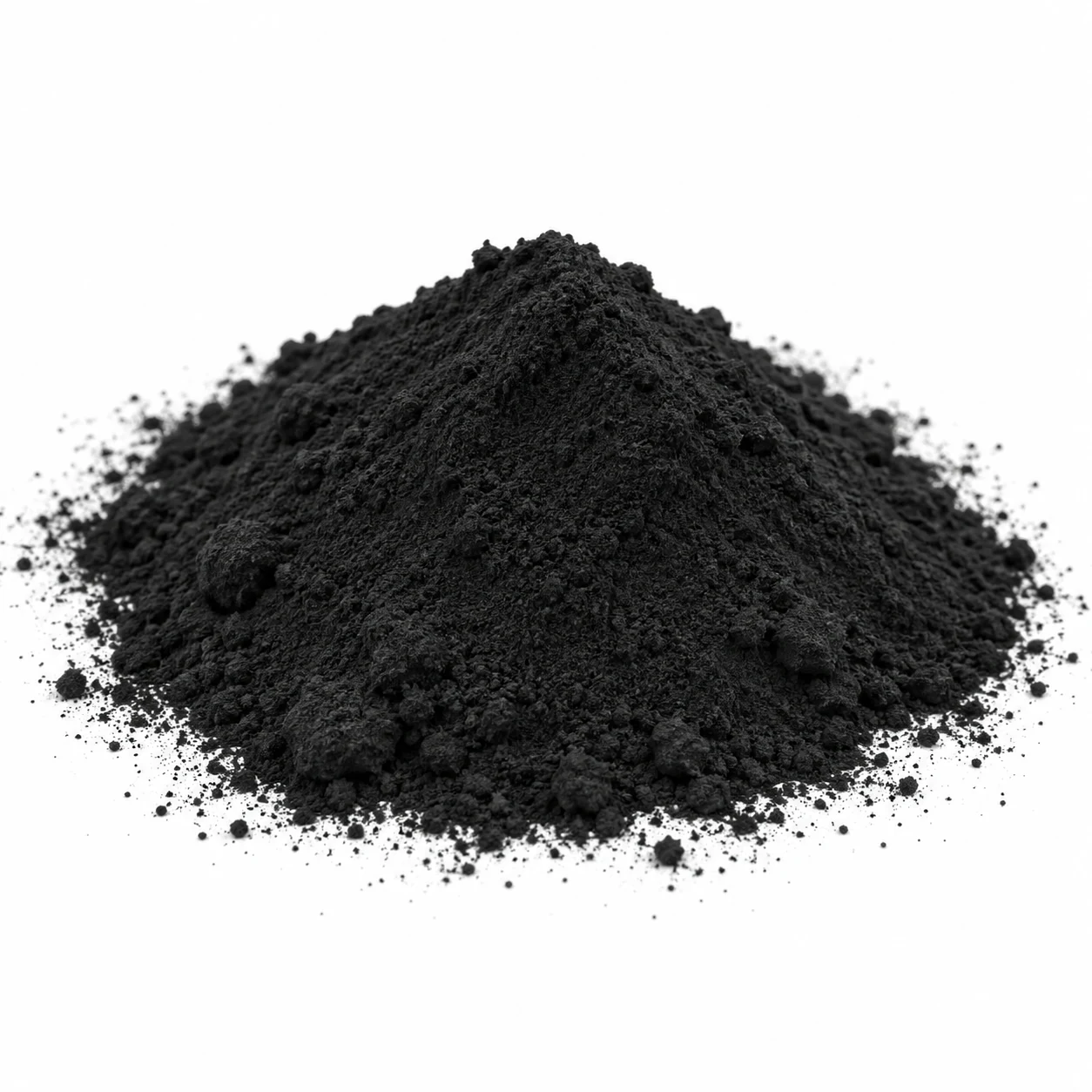
Coconut Shell Powder Activated Carbon (PAC)
View details
Fine carbon for dosing processes that require short contact times and a planned filtration or settling step.
Best for:
- Batch liquid purification
- Fine carbon dosing
- Decolorization trials
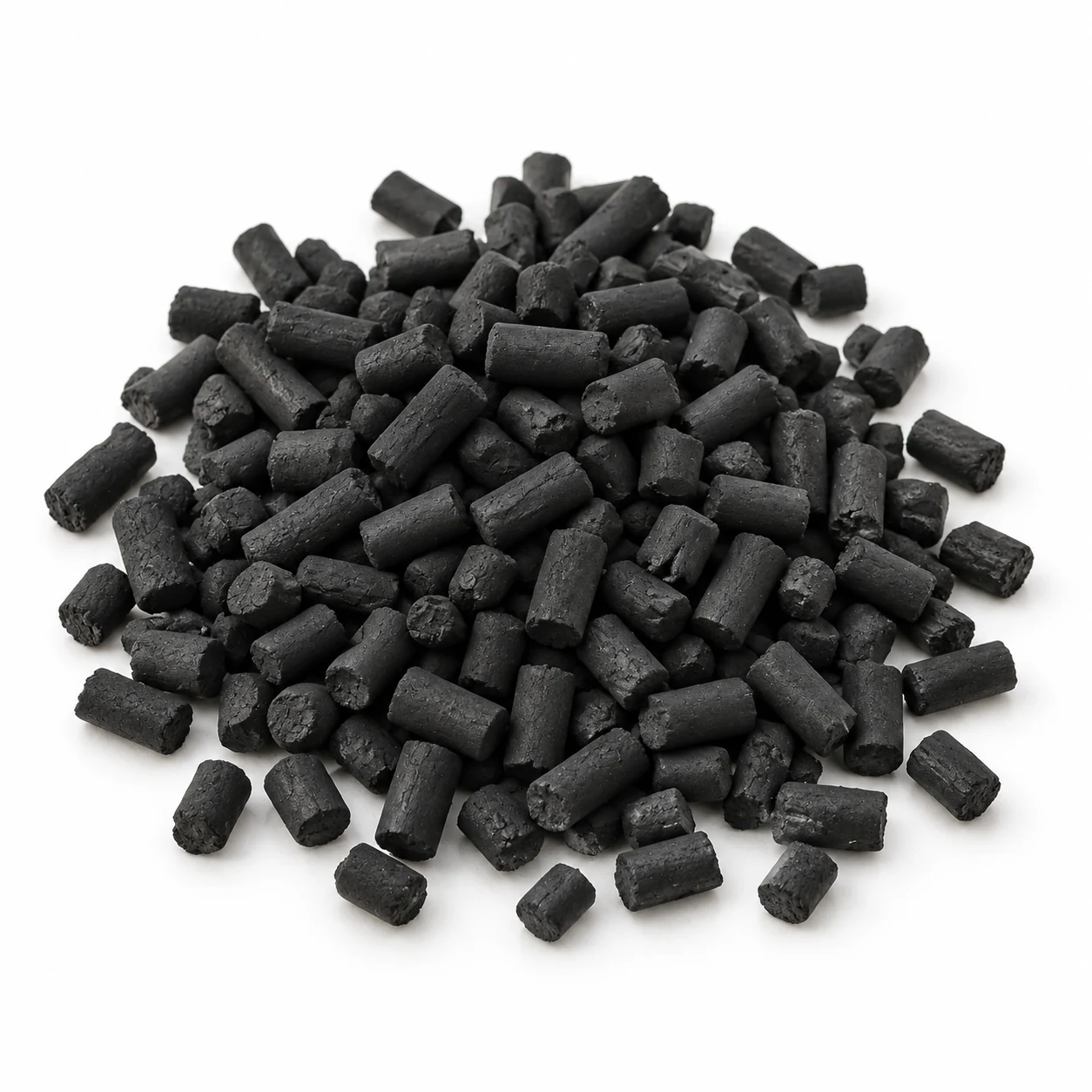
Coconut Shell Pellet Activated Carbon
View details
Pellets for gas-phase adsorption systems where bed design and pressure drop help determine the grade.
Best for:
- Air filtration beds
- VOC adsorption trials
- Solvent-vapor recovery
What Is Coconut-Shell Activated Carbon?
Coconut shell activated carbon is made by carbonizing and activating coconut shells. ARBONYX offers granular carbon for filter beds, powder for liquid dosing and pellets for gas adsorption. Select the finished grade around the contaminant, equipment and acceptance tests.
Purchasing Summary
| Buying brief | Send the application and feed analysis, filter or vessel details, desired particle form and your testing protocol. We can discuss samples for a like-for-like trial without assuming that one coconut-shell grade covers every duty. |
|---|---|
| Documents and packing | Identify the test report, destination-market requirements, packing and labeling needed for your order. |
| Order details | Confirm sample quantity, bulk quantity, destination and required delivery date. |
For coconut-shell carbon, specify the carbon form, size and treatment duty. Include the current grade, required documents, order quantity and destination.
How should coconut-shell grades be compared?
A coconut shell feedstock does not determine whether the finished product belongs in a water filter, a powdered dosing process or a gas adsorber. Check the particle form first, then compare the relevant adsorption method, ash, hardness and moisture on the grade offered. For water or food-related projects, specify the exact standard and documentation required in the destination market.
Before ordering: Use our specification checklist to request the grade-specific TDS, COA and SDS, with test methods and acceptance limits agreed before the trial.
If the treatment train uses powder dosing, review the contact and separation questions on our Than hoạt tính dạng bột (PAC) page.
Grade Selection Checks
| Selection factor | What to review |
|---|---|
| Particle form | GAC for a bed; PAC for dosing; pellets for a gas bed |
| Finished-grade data | Adsorption test, ash, moisture and particle-size distribution |
| Mechanical behavior | Hardness and fines for handling and backwashing |
How to Evaluate Coconut-Shell Activated Carbon
Raw material alone does not confirm performance. Ask for the relevant particle size, adsorption test, ash and hardness data for the specific grade, and test with the real feed where possible. This avoids buying a nominally similar carbon that behaves differently in the process.
Choose a Grade for Your Process
Share the application, contaminant, operating conditions and target specifications. For drinking-water or food-contact projects, identify the exact documentation or compliance standard your market requires before grade selection.
For granular coconut-shell carbon, compare hardness, mesh distribution and contaminant-specific performance. State any ash or extractables limits required by the end use.
Coconut-Shell Activated Carbon Applications
Water filtration and process liquids
For water treatment, compare the target contaminant, bed contact time and backwash conditions. Granular and powdered grades require different equipment and operating procedures.
Gold recovery and gas purification
For gold recovery, evaluate granular carbon using gold adsorption, attrition and screen-retention tests. For gas treatment, compare pellet dimensions, humidity and pressure drop against the adsorber design.
Các câu hỏi thường gặp
Why choose a coconut-shell raw material?
Its dense structure can support hard, microporous carbon. Actual pore distribution, ash and strength still depend on activation and the finished grade.
Which coconut-shell form is used in water filters?
Granular grades are commonly evaluated for cartridges and larger fixed beds. Specify mesh, flow, contact time and required drinking-water documentation.
Is every coconut-shell grade suitable for gold recovery?
No. Select against gold adsorption activity, particle size, attrition and process conditions rather than raw material alone.
Can coconut-shell powder be used in food processing?
Only evaluate an offered grade with documentation and impurity limits appropriate to the specific food process and destination market.
How is a coconut-shell pellet selected for gas treatment?
Review the vapor mixture, concentration, humidity, temperature, pellet diameter and allowable pressure drop. Test adsorption under representative conditions.
What data should I request before ordering?
Request grade-specific size distribution, adsorption indicators, hardness, ash, moisture and relevant compliance documents. Agree test methods and sample acceptance first.
Start Your Inquiry
Share the application, required grade or test criteria, order quantity and delivery country. Our team can help define the next step for your sample or quotation request.
Send Product Inquiry