
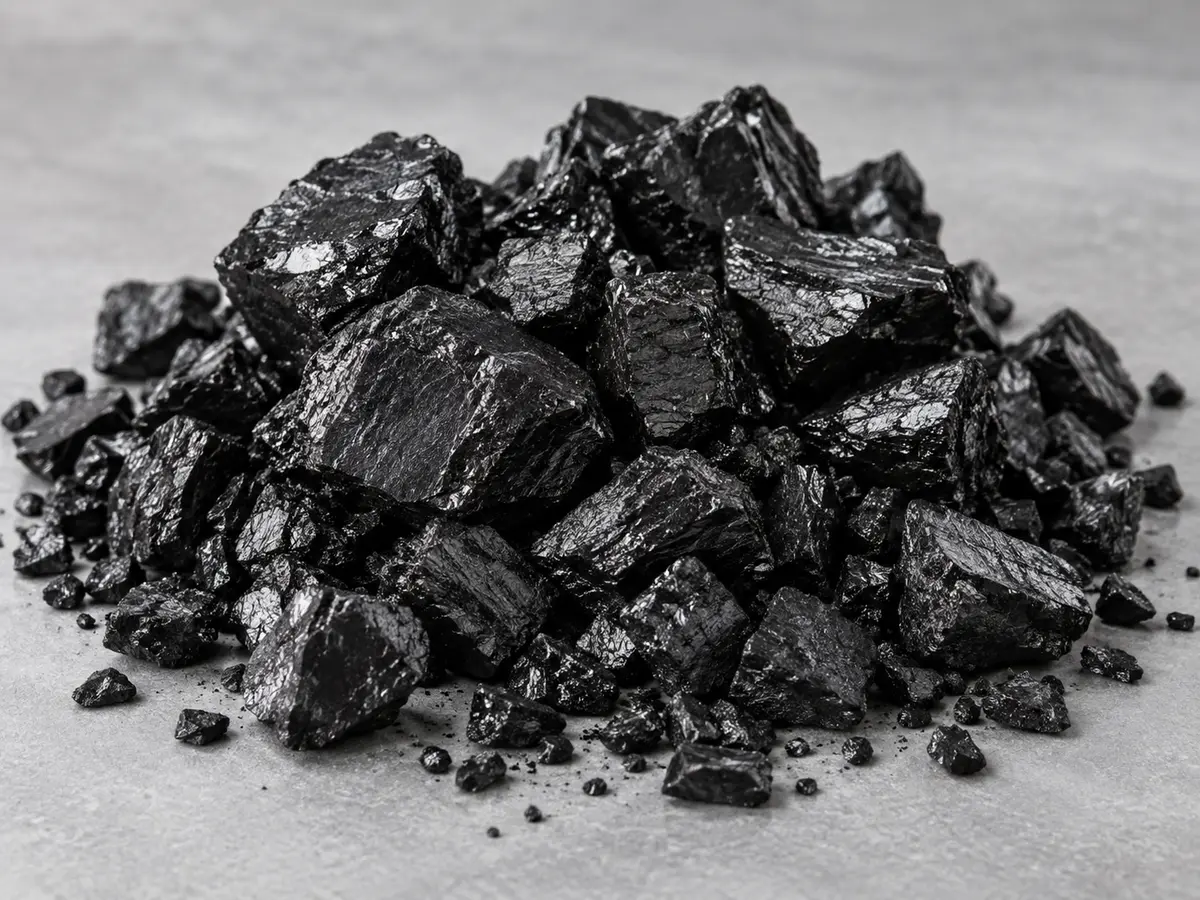
Coal-Based Activated Carbon Manufacturer
Factory-produced coal-based activated carbon in granular, pelletized, powdered and honeycomb forms for water, air and industrial treatment.
MANUFACTURING & QUALITY CONTROL
From Raw Material to Finished Carbon Grade
ARBONYX presents coal-based activated carbon through a controlled route from raw-material preparation and activation to screening, testing, packing and shipment.
- Raw materialMaterial selection for the required carbon form.
- ActivationCarbonization and activation route for coal-based grades.
- Screening & formingGranular, pelletized, powdered and honeycomb formats.
- Testing & shipmentGrade review, packing and delivery documentation.
Coal-Based Activated Carbon Products
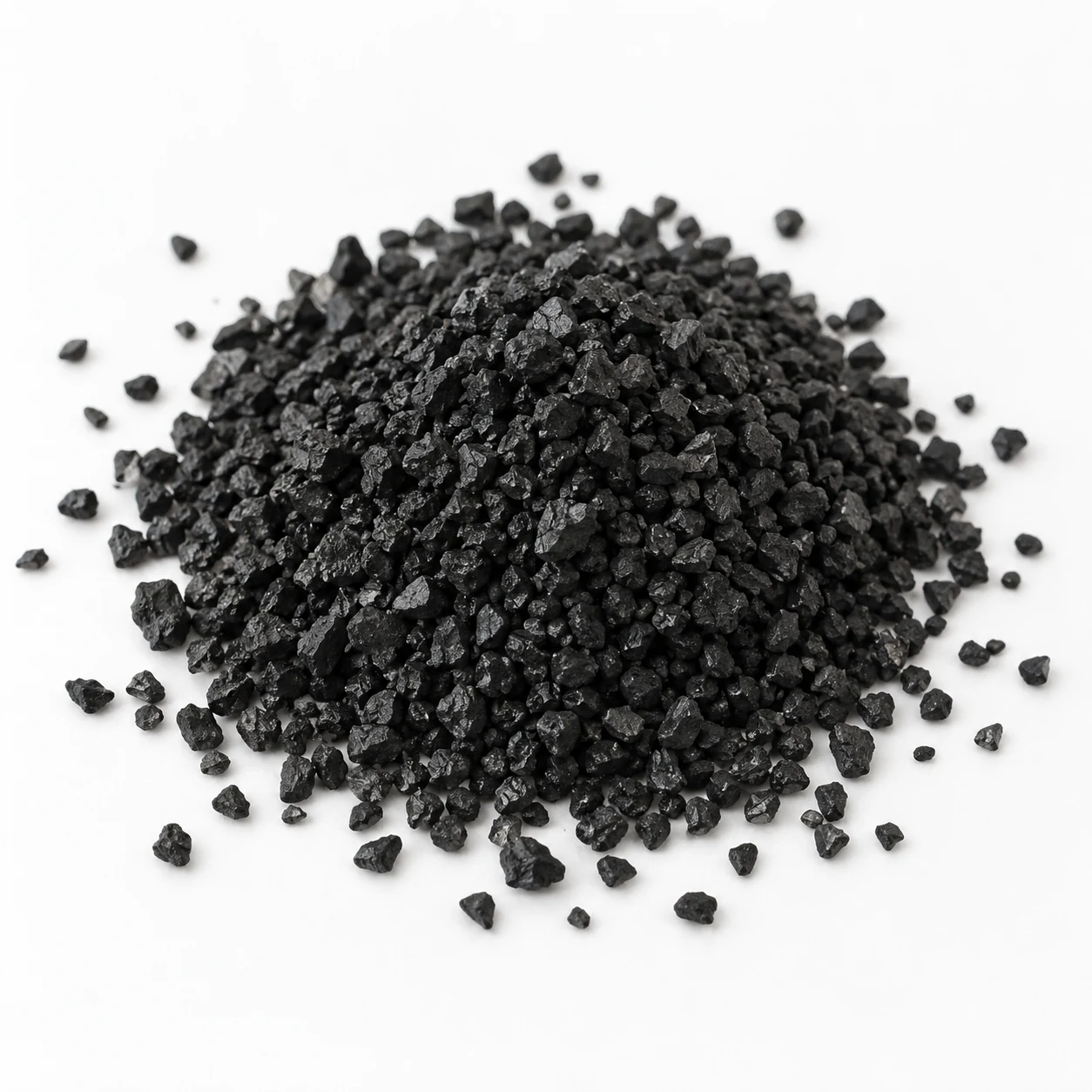
Granular Coal-Based Activated Carbon (GAC)
For continuous liquid or gas filtration in a fixed bed. Discuss mesh size, abrasion and pressure drop alongside adsorption targets.
Typical applications
- Fixed-bed water filtration
- Industrial wastewater polishing
- Gas purification trials
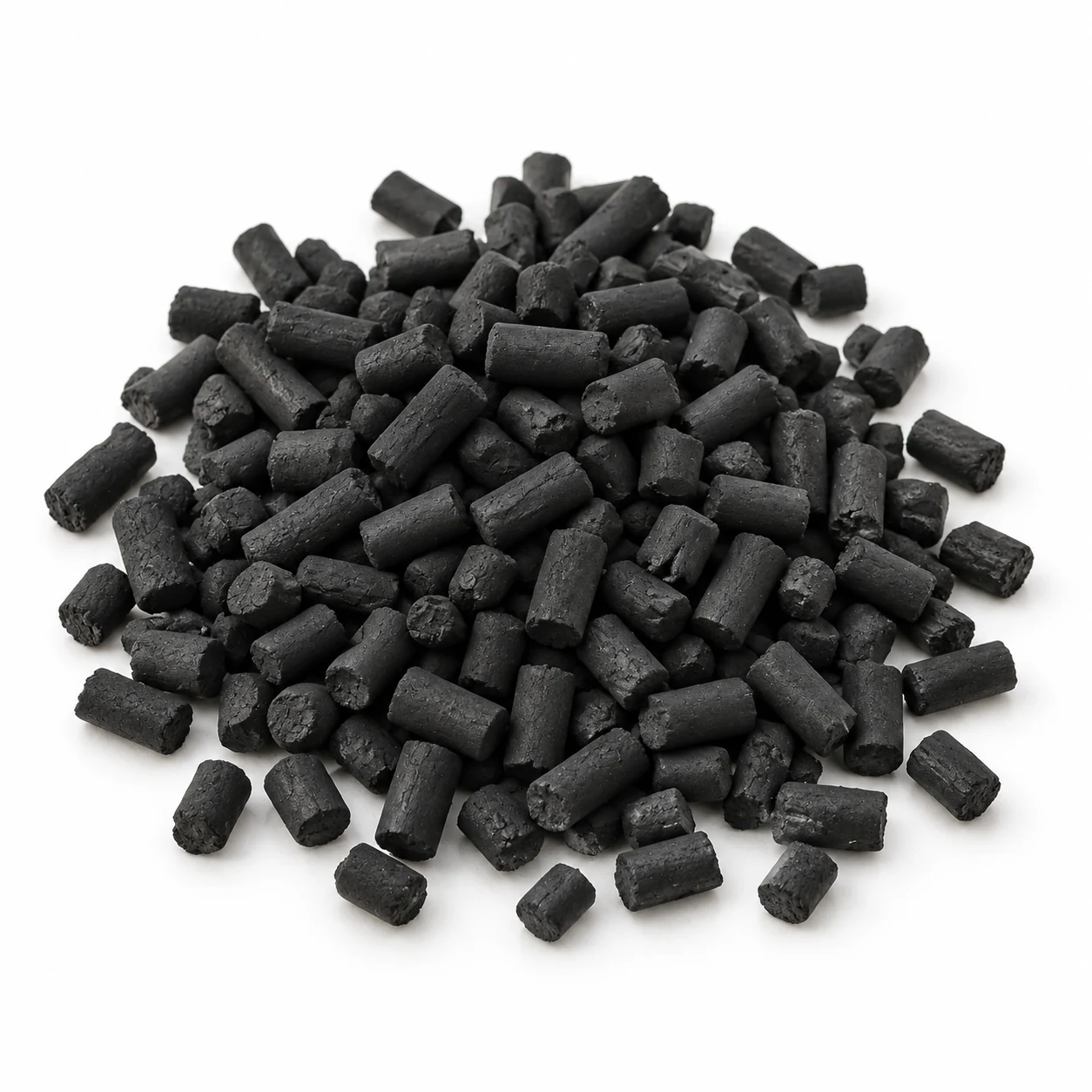
Coal-Based Pellet Activated Carbon
An extruded form for gas-phase beds where uniform airflow and low dust are important design considerations.
Typical applications
- VOC adsorption beds
- Solvent-vapor recovery
- Industrial air filtration
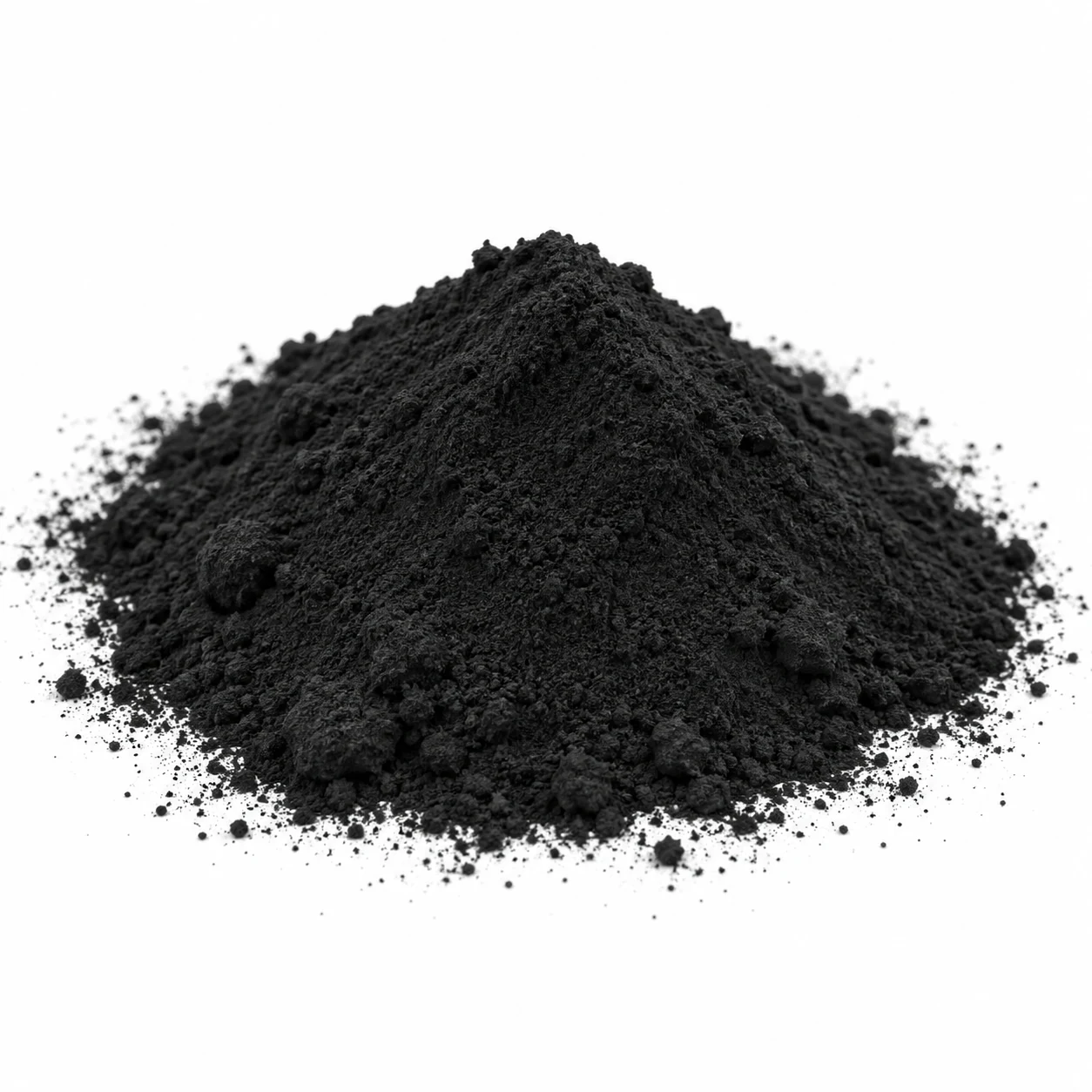
Coal Powder Activated Carbon (PAC)
A fine material for batch dosing and liquid treatment where contact time and downstream solids separation can be managed.
Typical applications
- Wastewater carbon dosing
- Batch liquid purification
- Color-removal trials
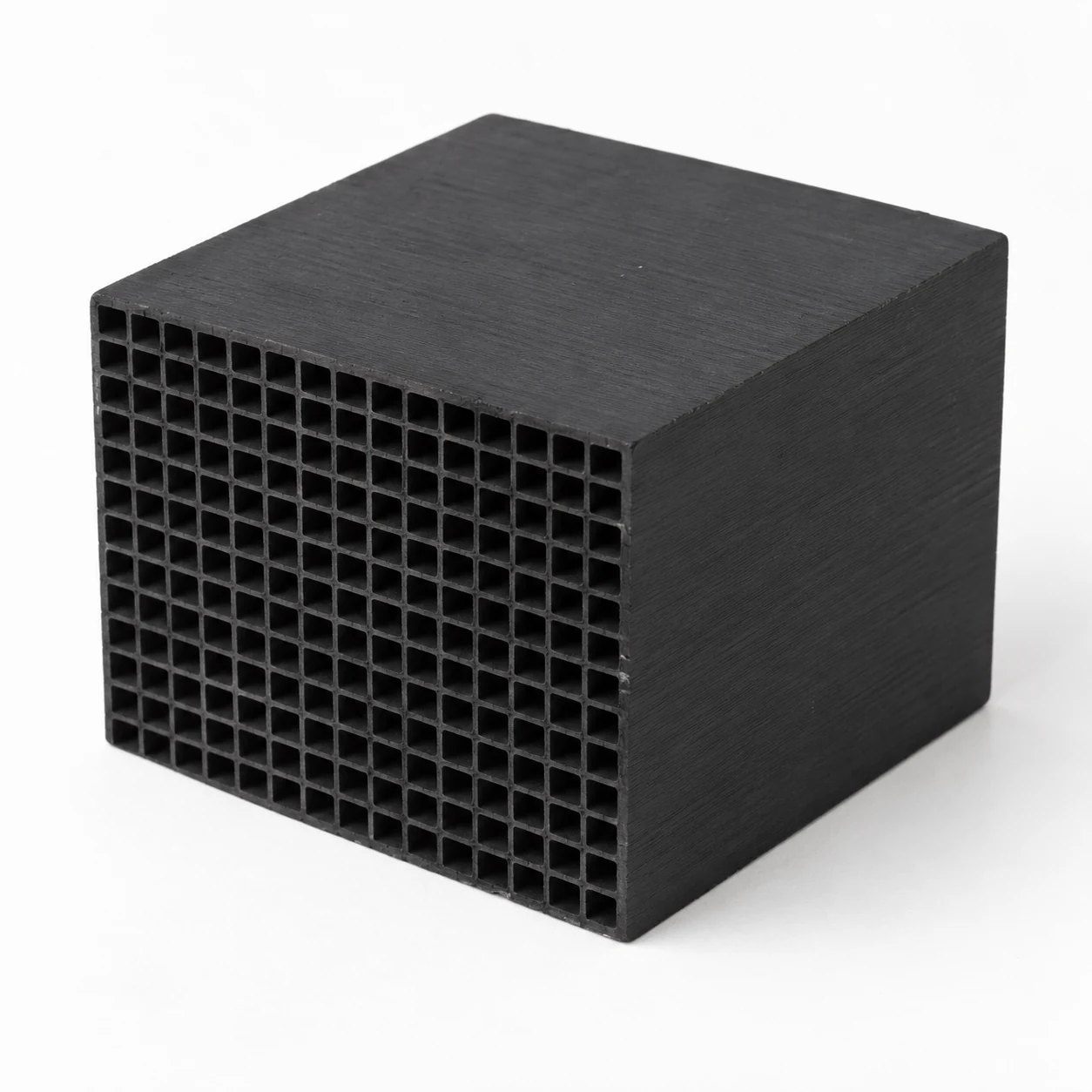
Coal Honeycomb Activated Carbon
A channeled block form for ventilation and VOC treatment systems that need to consider air resistance and humidity.
Typical applications
- Industrial exhaust housings
- Odor-control systems
- Ventilation with defined airflow
What Is Coal-Based Activated Carbon?
Coal-based activated carbon is supplied as granules for fixed-bed filtration, pellets for gas adsorption, powder for dosing and honeycomb blocks for ventilation systems. Choose the form around the equipment, then compare adsorption performance, particle strength and operating cost for the treatment duty.
Factory Supply & Specification Review
| Carbon form | Granular, pelletized, powdered or honeycomb; match the equipment and treatment method. |
|---|---|
| Sizing and acceptance | Specify particle or block dimensions and the agreed grade-specific test methods. |
| Trial and bulk order | State the sample requirement, order quantity, destination, packing and required documents. |
| Quality documents | Request the grade-specific TDS, SDS and COA required for your approval process. |
For a direct factory quotation, specify the form, particle size, order quantity and destination. Include bag size and pallet requirements so the offer covers both the carbon and its delivery.
Which coal-based form fits the equipment?
A vessel filled with granular coal carbon is a different purchase from an exhaust bed using extruded pellets. In water treatment, the bed depth and service flow help define particle size; in air treatment, pressure drop, humidity and dust handling become central. Powder is dosed and then separated, while honeycomb blocks depend on the housing dimensions. Ask for test data on the finished grade you will actually use.
For your inquiry: For a comparable quotation, give the medium, target compounds, existing grade if any, particle or block dimensions, annual demand and the acceptance test. A coal source alone cannot establish service life.
For a continuous filter bed, compare the particle-size discussion on our Karbon Aktif Granular (GAC) page.
Compare Coal-Based Carbon Forms
| Form | Process route | Key selection questions |
|---|---|---|
| Granular (GAC) | Loose media in a fixed bed | Particle size, bed contact time, backwashing and fines |
| Pelletized (EAC) | Packed gas adsorption bed | Pellet diameter, airflow, humidity and pressure drop |
| Powdered (PAC) | Dosing, contact and solids removal | Dose, mixing time and downstream filtration |
| Honeycomb | Block media in a defined housing | Block dimensions, channels, airflow and moisture exposure |
For a direct factory quotation, send the treatment medium, target contaminant and equipment details. Compare grade-specific adsorption, hardness, ash and moisture data using the same test methods.
How to Evaluate Coal-Based Activated Carbon
The four forms solve different handling and flow problems. A fixed bed calls for particle strength and a suitable mesh; an air stream may favor a pellet or honeycomb structure; a batch liquid process may call for powder. Grade selection should follow the contaminant and equipment, with a sample test where performance is critical.
Choose a Grade for Your Process
Tell us the liquid or gas stream, target contaminant, flow, bed or dosing method, desired size and estimated annual volume. Include the current grade or a recent test report if you are replacing an existing carbon.
Compare adsorption results using the same test method. For granular beds, also check hardness and particle-size distribution; for powder, check dosing and downstream filtration.
Coal-Based Activated Carbon Applications
Water and wastewater polishing
Granular coal carbon is evaluated in fixed beds for residual organic compounds, color and odor. Match particle size to the vessel, backwashing method and required contact time.
Industrial air and solvent vapors
Coal-based pellets and honeycomb blocks serve different exhaust configurations. Review vapor composition, humidity and pressure drop; powder is instead considered where dosing and subsequent collection are part of the process.
Pertanyaan yang Sering Diajukan
Which coal-based form should I choose?
Use granules for a loose fixed bed, pellets for a defined gas bed, powder for direct dosing and honeycomb for a block housing. Equipment and contaminant data determine the grade.
Can coal carbon treat industrial wastewater?
It can be evaluated for adsorbable organics and color after appropriate pretreatment. Test the actual wastewater; a total COD number does not show which fraction carbon can remove.
Is iodine value enough to compare coal carbon?
No. Compare adsorption tests relevant to the contaminant alongside size, hardness, ash, moisture and the test methods used.
What affects coal-carbon operating cost?
Delivered price, dose or bed charge, pressure drop, carbon loss and replacement frequency all matter. Compare offers on the same process and acceptance criteria.
Can coal carbon be regenerated?
Some granular or pellet grades may be candidates for regeneration. Suitability depends on contaminants, physical strength and an approved regeneration route.
What should a bulk coal-carbon inquiry include?
State the required form, target compounds, liquid or gas conditions, equipment dimensions, estimated volume and acceptance tests. Include an existing grade or sample if available.
Are you a manufacturer or a trading company?
ARBONYX presents its activated carbon supply through a manufacturing route covering raw-material preparation, activation, screening, testing, packing and shipment. Product grade, documentation and factory evidence can be reviewed for the specific inquiry.
Start Your Inquiry
Share the application, required grade or test criteria, order quantity and delivery country. Our team can help define the next step for your sample or quotation request.
Send Product Inquiry