

— APPLICATION SOLUTION
Activated Carbon for Precious Metal Recovery
Application-focused carbon selection for gold-recovery and hydrometallurgical circuits.
✓ Circuit Review
✓ Carbon Form Selection
✓ Performance Criteria
✓ Supply Planning
Applications
Precious Metal Recovery Applications
Start with the actual process, target compounds, operating conditions and acceptance criteria. The application examples below help buyers define the right evaluation path without assuming one grade fits every process.

Gold Recovery Circuits
Review ore and solution characteristics, circuit design, loading objectives and operating practice.
Discuss Requirements →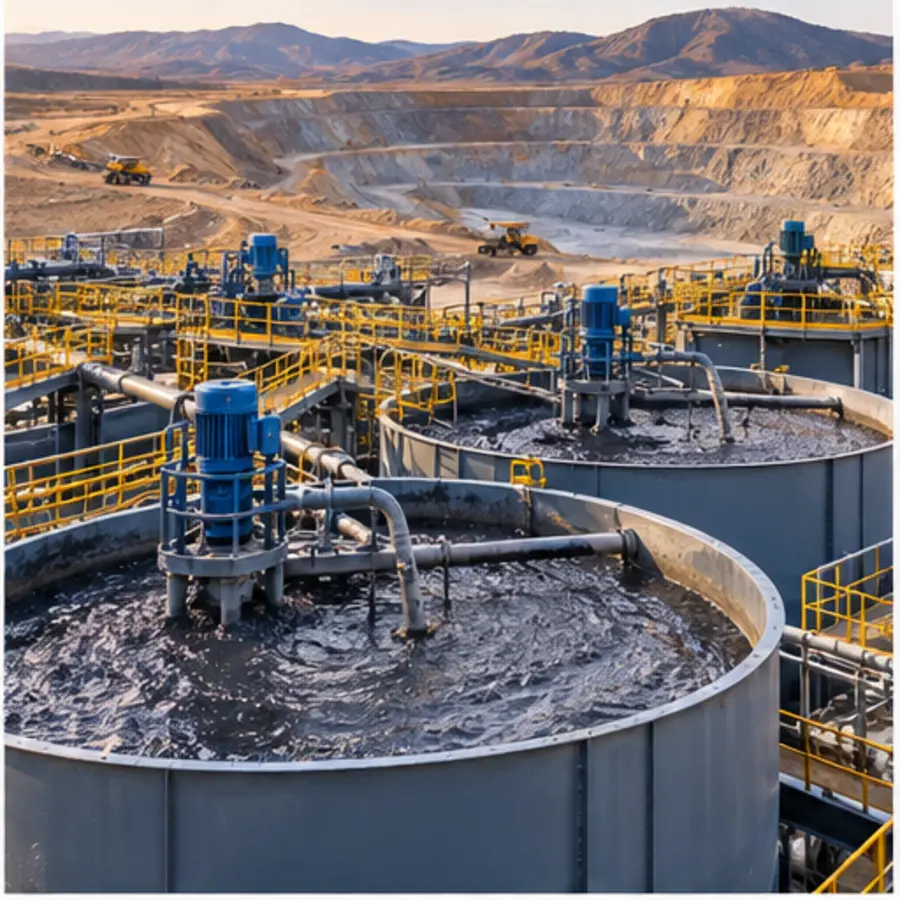
Carbon-in-Pulp (CIP)
Compare carbon properties with pulp density, agitation, screening, transfer and elution conditions.
Discuss Requirements →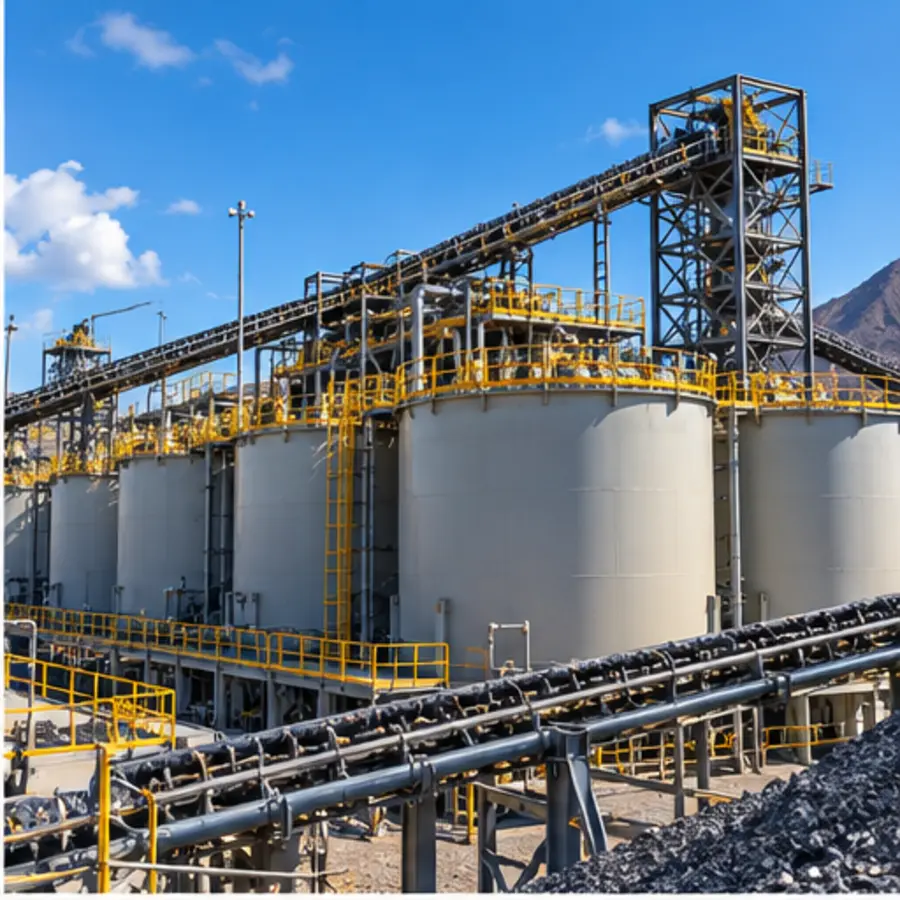
Carbon-in-Leach (CIL)
Review leach conditions, carbon movement, retention, attrition and recovery objectives.
Discuss Requirements →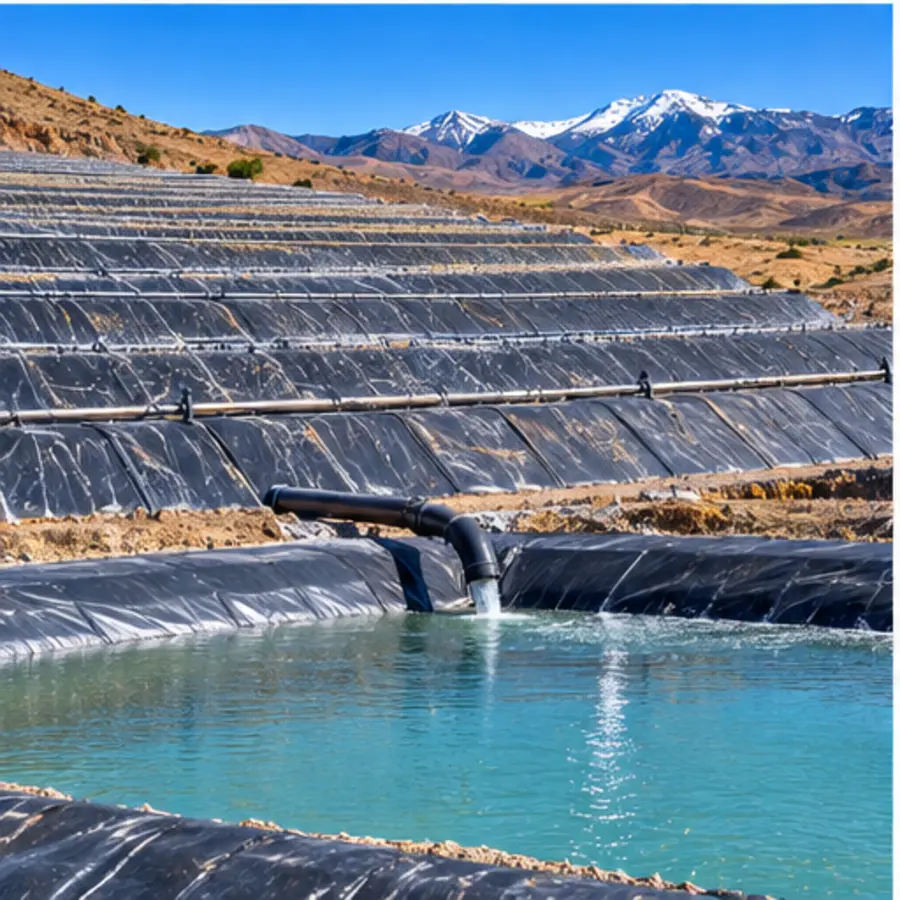
Heap Leach Solutions
Assess solution chemistry, suspended solids, contact system and downstream carbon handling.
Discuss Requirements →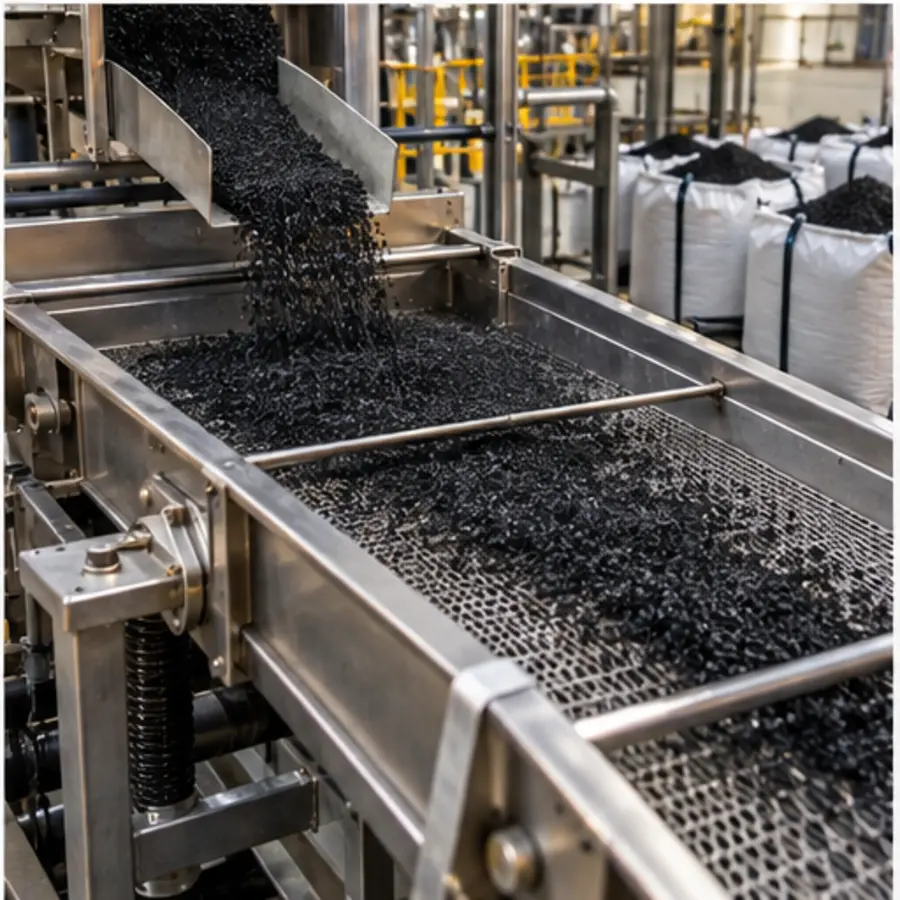
Carbon Screening & Handling
Evaluate particle size, hardness, attrition behavior and screening requirements.
Discuss Requirements →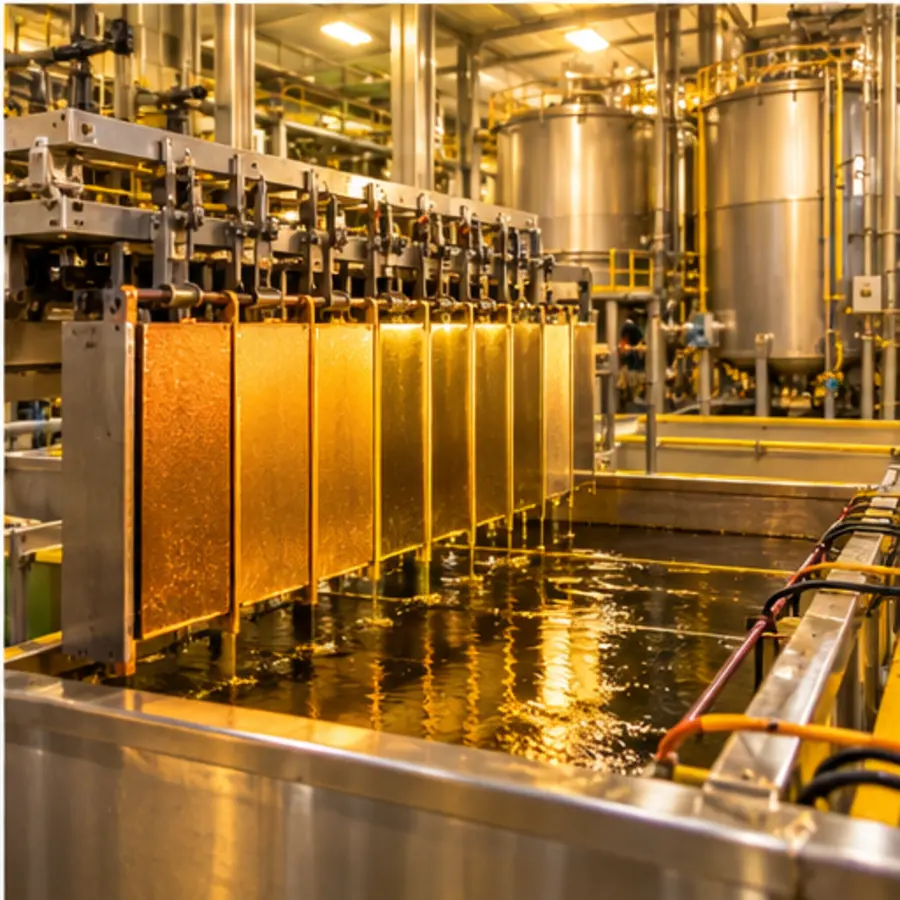
Elution & Electrowinning
Connect carbon loading and elution practice with the downstream recovery circuit.
Discuss Requirements →Why ARBONYX
Match the Carbon to the Recovery Circuit
We organize product discussions around your application data, equipment and documentation needs.
Compare raw material, particle form and required specification.
Connect the proposed grade with the actual process conditions.
Confirm the product documents required before an order.
Discuss packing, quantity and destination before quotation.
Match the Carbon to the Recovery Circuit
Practical decisions begin with accurate process information and agreed evaluation criteria.
Recommended Forms
Recommended Activated Carbon Forms
Compare the carbon form, raw material and product specification against the actual process.
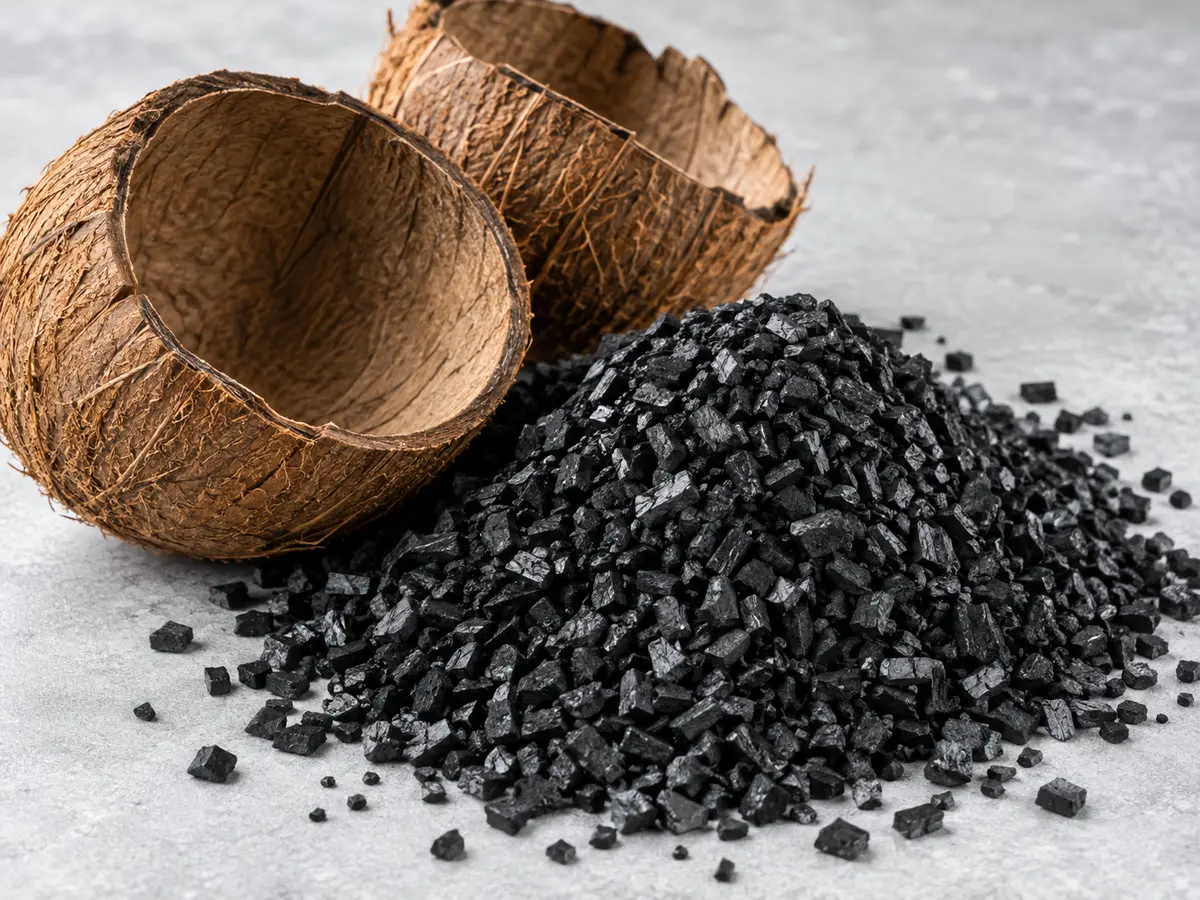
Carvão ativado de casca de coco
A hard raw-material option commonly evaluated for precious-metal recovery circuits, subject to the required grade.
Ver produto →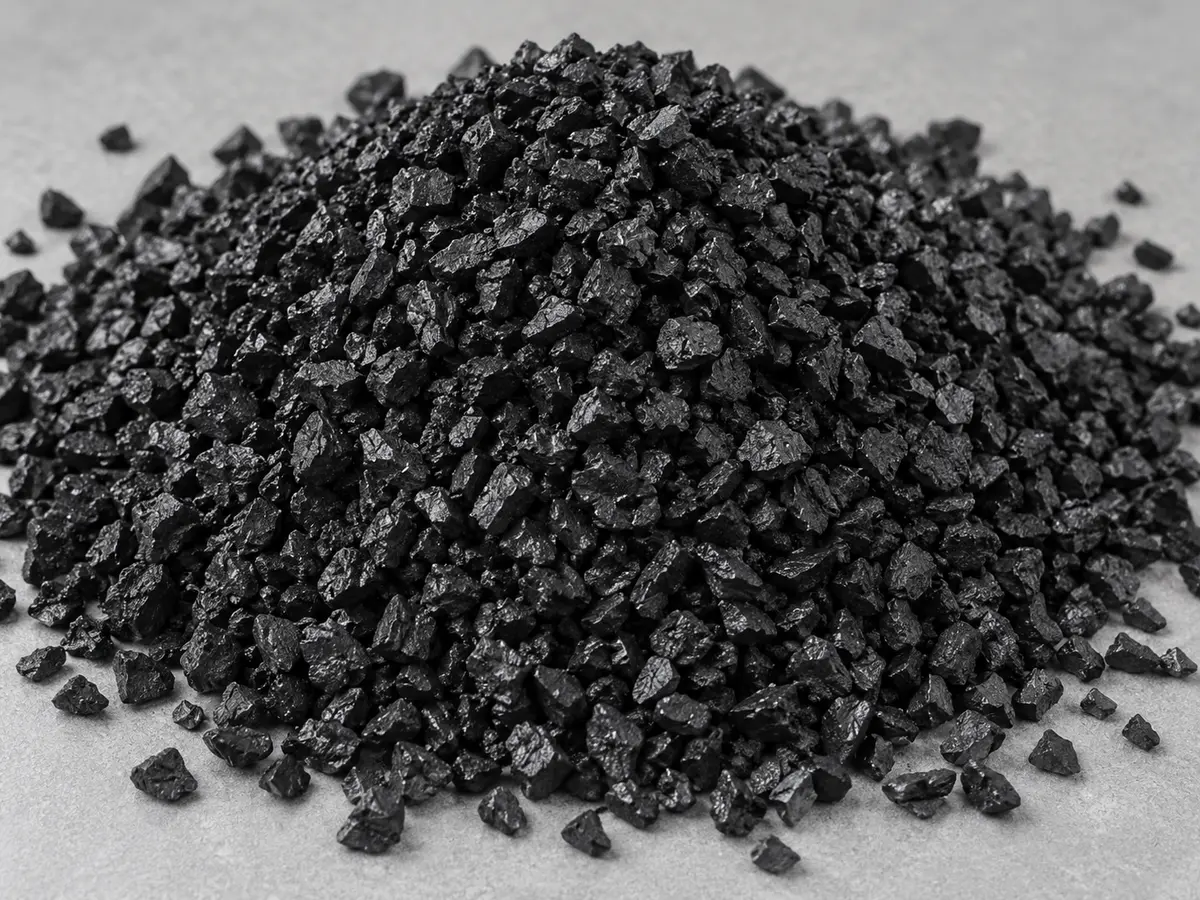
Carvão ativado granular (GAC)
Compare particle size, hardness, activity and handling characteristics against the circuit specification.
Ver produto →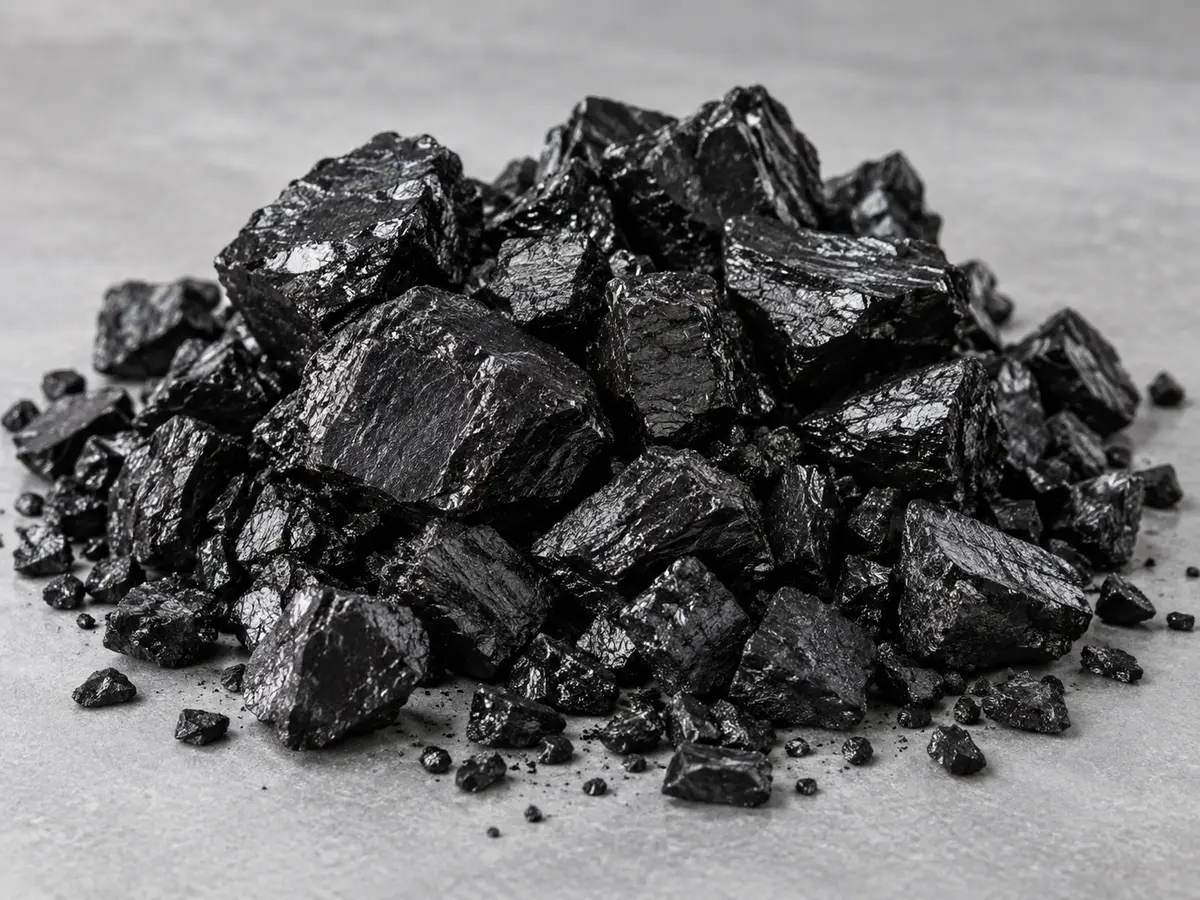
Carvão ativado à base de carvão mineral
A product family to evaluate for selected industrial and metallurgical adsorption requirements.
Ver produto →Selection Guide
How to Select the Right Product
Provide enough technical and purchasing information to compare candidate grades meaningfully.
1. Ore, solution and target metal
Confirm this item before finalizing the proposed product and evaluation plan.
2. Circuit type and operating conditions
Confirm this item before finalizing the proposed product and evaluation plan.
3. Particle size and handling needs
Confirm this item before finalizing the proposed product and evaluation plan.
4. Loading, elution and acceptance tests
Confirm this item before finalizing the proposed product and evaluation plan.
Supplier Brief
Information to Share With Your Supplier
Share the circuit type, solution data, current carbon specification, particle-size requirement, evaluation method, estimated quantity, packing and destination. Performance should be confirmed through an agreed evaluation for the actual process.
Perguntas frequentes
Perguntas frequentes
Which raw material is commonly evaluated for gold recovery?
Coconut-shell-based granular carbon is commonly considered, but the required grade should be matched to the circuit and test criteria.
Why do hardness and particle size matter?
They influence handling, attrition, screening and potential carbon losses within the circuit.
Can loading performance be predicted from one indicator?
No. Activity, kinetics, solution chemistry and circuit conditions should be evaluated together.
What information supports product selection?
Provide the circuit type, solution data, current grade, specification, test method, quantity and destination.
Discuss Your Precious Metal Recovery Circuit
Share the circuit conditions, current specification, performance criteria and required quantity.
Contact Us →